 Culture
By Sara Ahmadi3 min read
Alavian Dome: a masterclass in Seljuk stucco
It has no dome and few visitors — and some of the most extraordinary carved plaster in the Islamic world.
Read storyHistory
A Seljuk-era family mausoleum famous for some of the finest carved stucco in Iran.
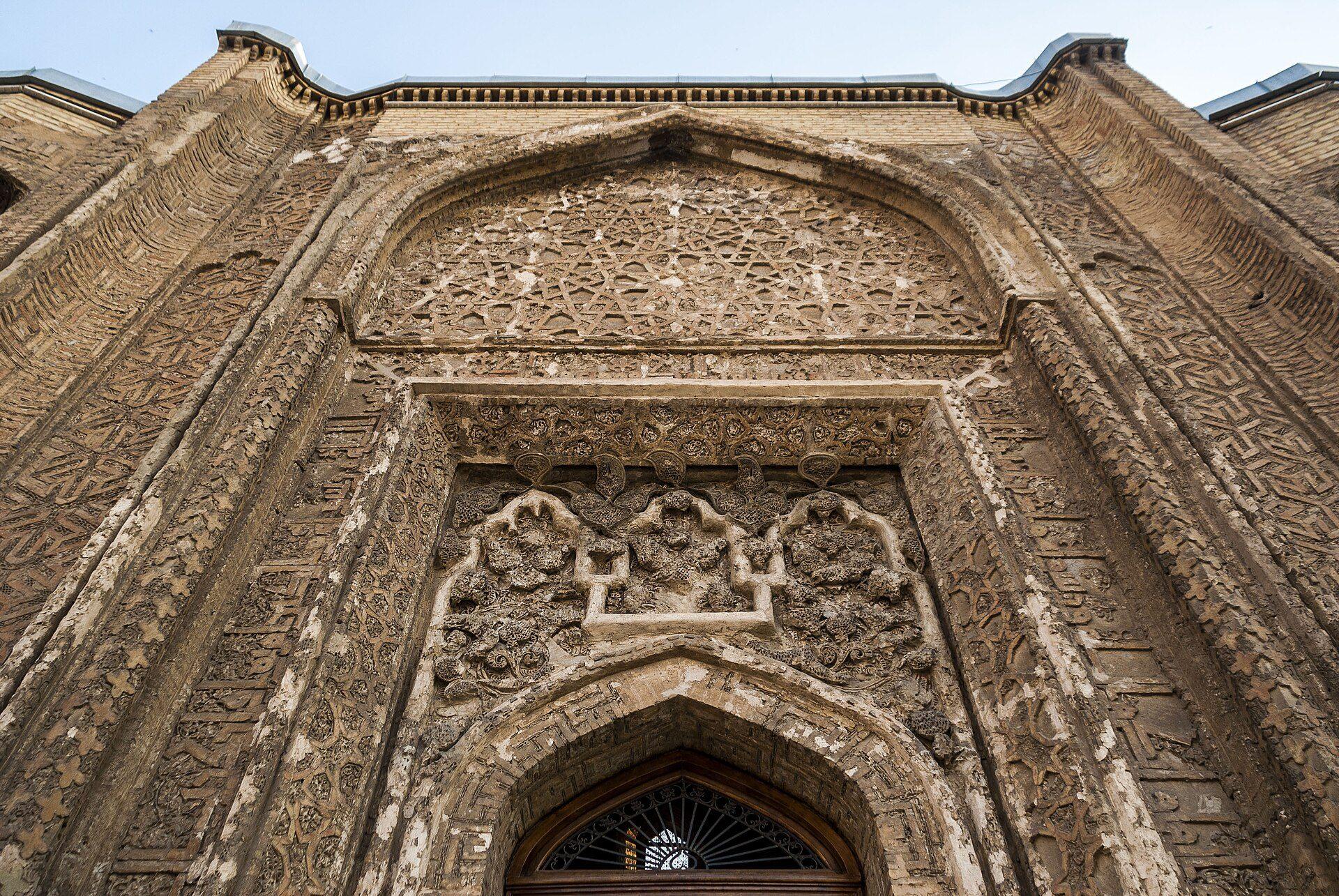
The Alavian Dome is a square brick monument from the late Seljuk period, around the 12th century, built by the Alavian, a family of local notables who held sway in Hamedan for generations. Despite its name the building has lost its dome; what survives is a tall, almost cubic hall whose walls are one of the masterpieces of medieval Persian ornament.
Every surface of the entrance portal and the interior is covered in carved stucco: deep, interlacing vines, palmettes and geometric bands, layered so densely that the plaster seems to grow out of the brick. Art historians rank it among the finest stucco work surviving anywhere in Iran, and the patterned brickwork on the outer walls is worth studying in its own right.
Stucco like this was carved while the plaster was still workable, in layers: each level was cut back from the one above, creating deep, shadowed relief that seems to shift as the light moves.
Beneath the hall a narrow spiral stair leads down to a vaulted crypt with the family graves, lined in turquoise tiles. The building was later used as a mosque, and its prayer niche (mihrab) is among the richest parts of the decoration.
The monument stands in a quiet square in central Hamedan, a short walk south of the Baba Taher Mausoleum, so the two are easy to visit together. Come in the afternoon, when low sunlight rakes across the portal and brings the stucco into sharp relief.
CultureBy Sara Ahmadi3 min read
It has no dome and few visitors — and some of the most extraordinary carved plaster in the Islamic world.
Read story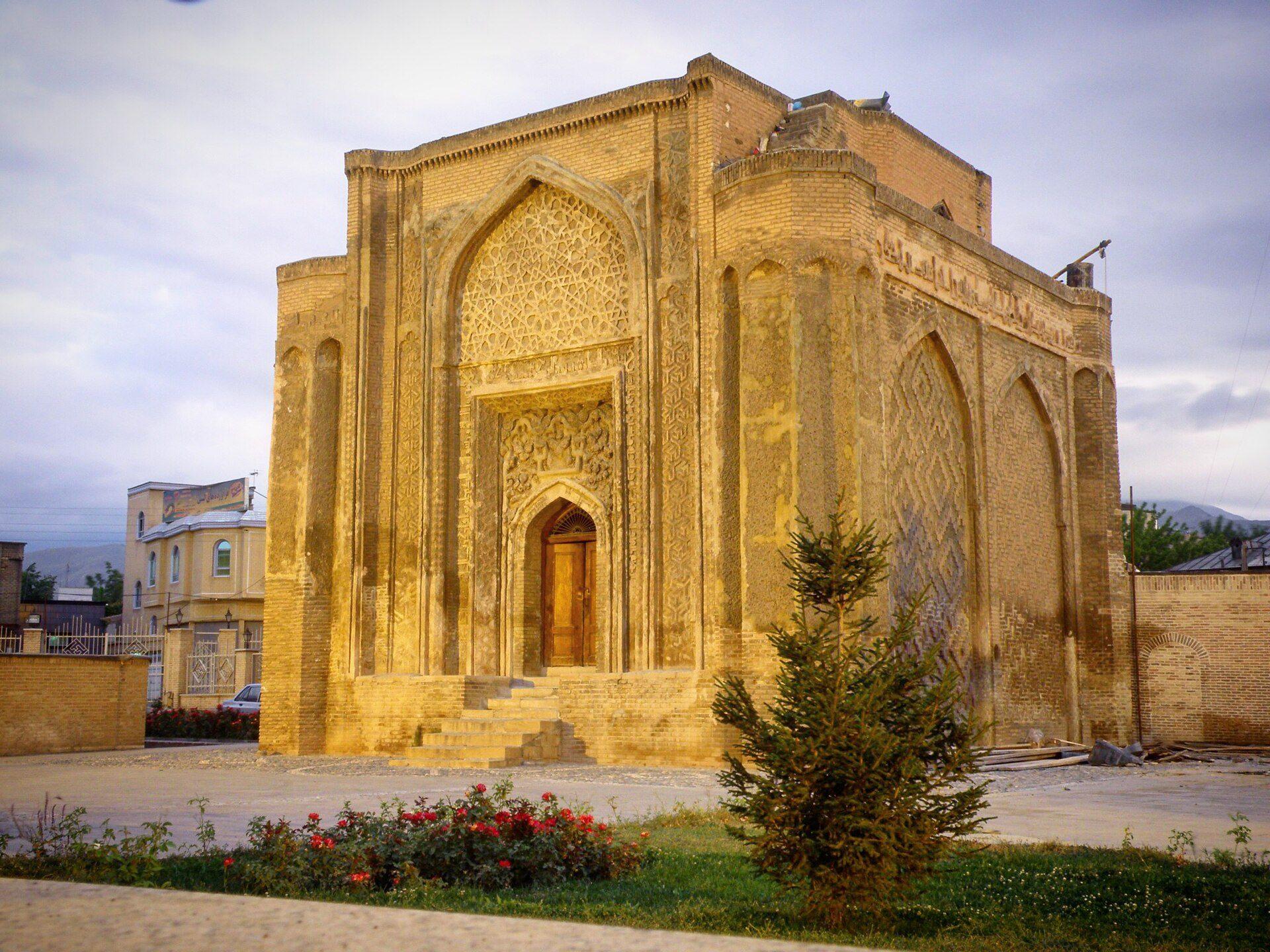
Travel notes
Photographers: the Alavian Dome's stucco portal looks best in late-afternoon light, when low sun rakes across the carving. Don't miss the spiral stair down to the crypt. #Hamedan
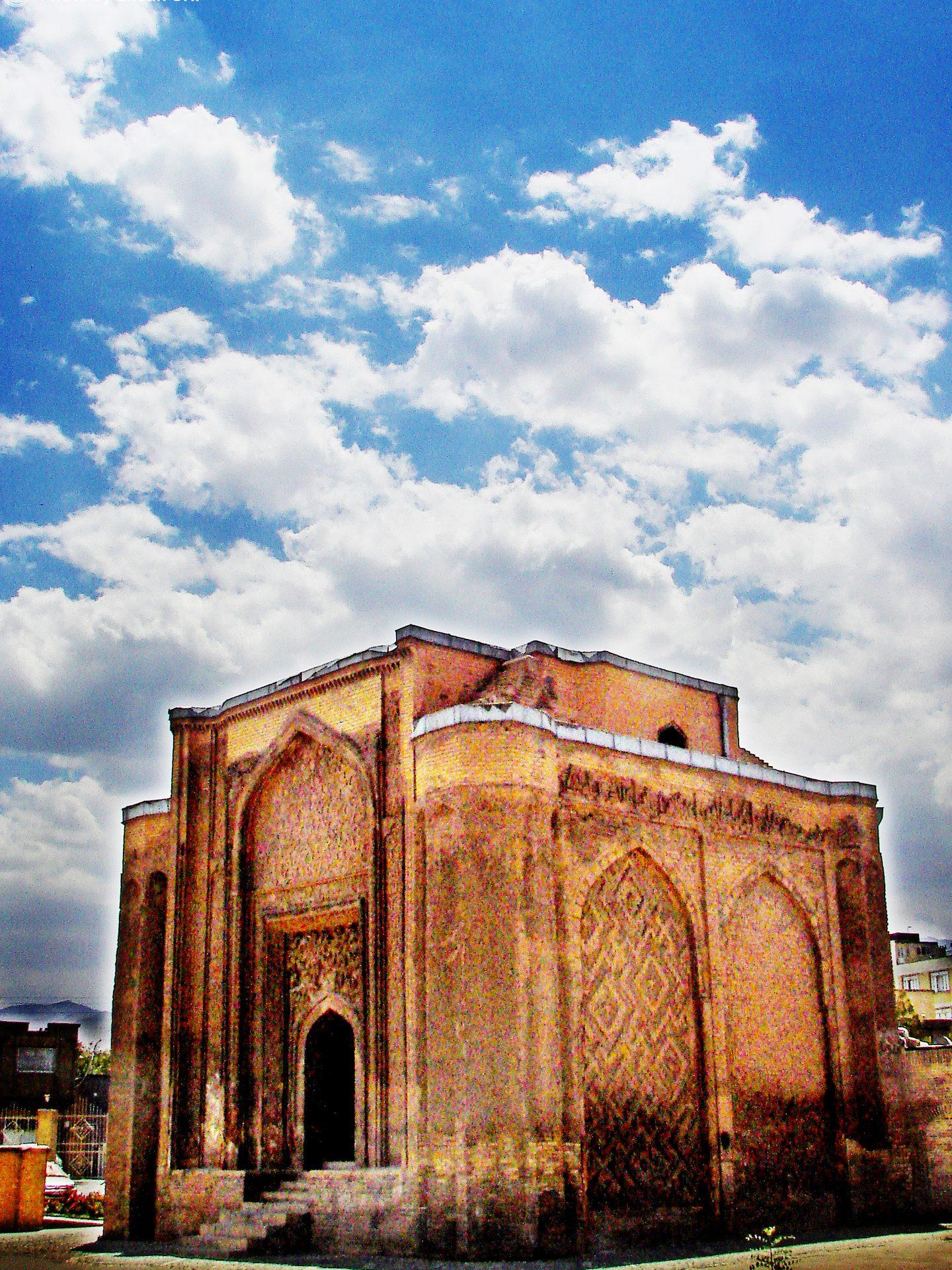
Hamadan: Emamzadeh Abdollah, Alavian Dome and Baba Taher
Video by farhad4art on YouTube.
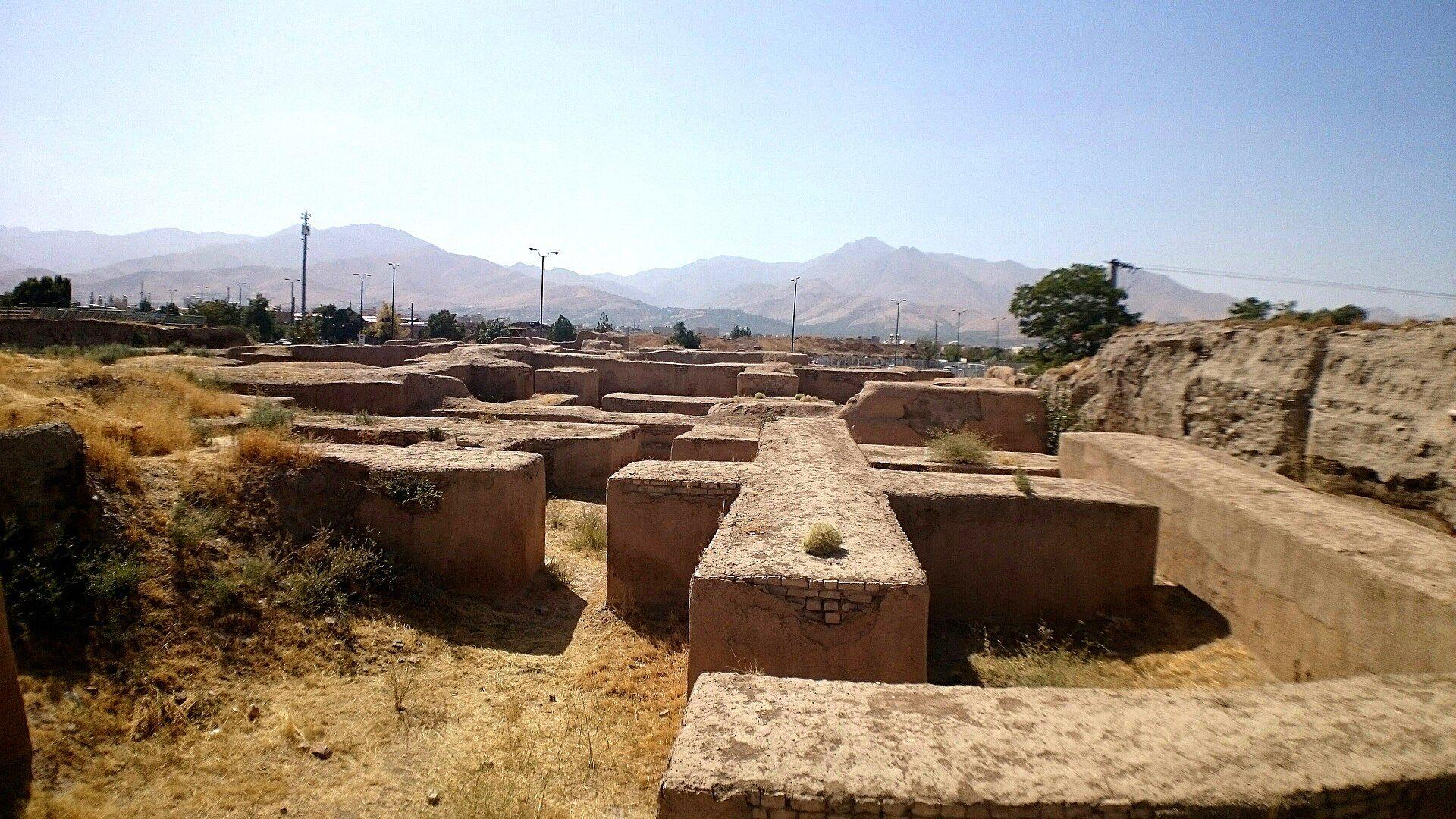 0.6 km awayHistory
The excavated hill of ancient Ecbatana, capital of the Medes, with an on-site museum of its finds.
 0.6 km awayCultural
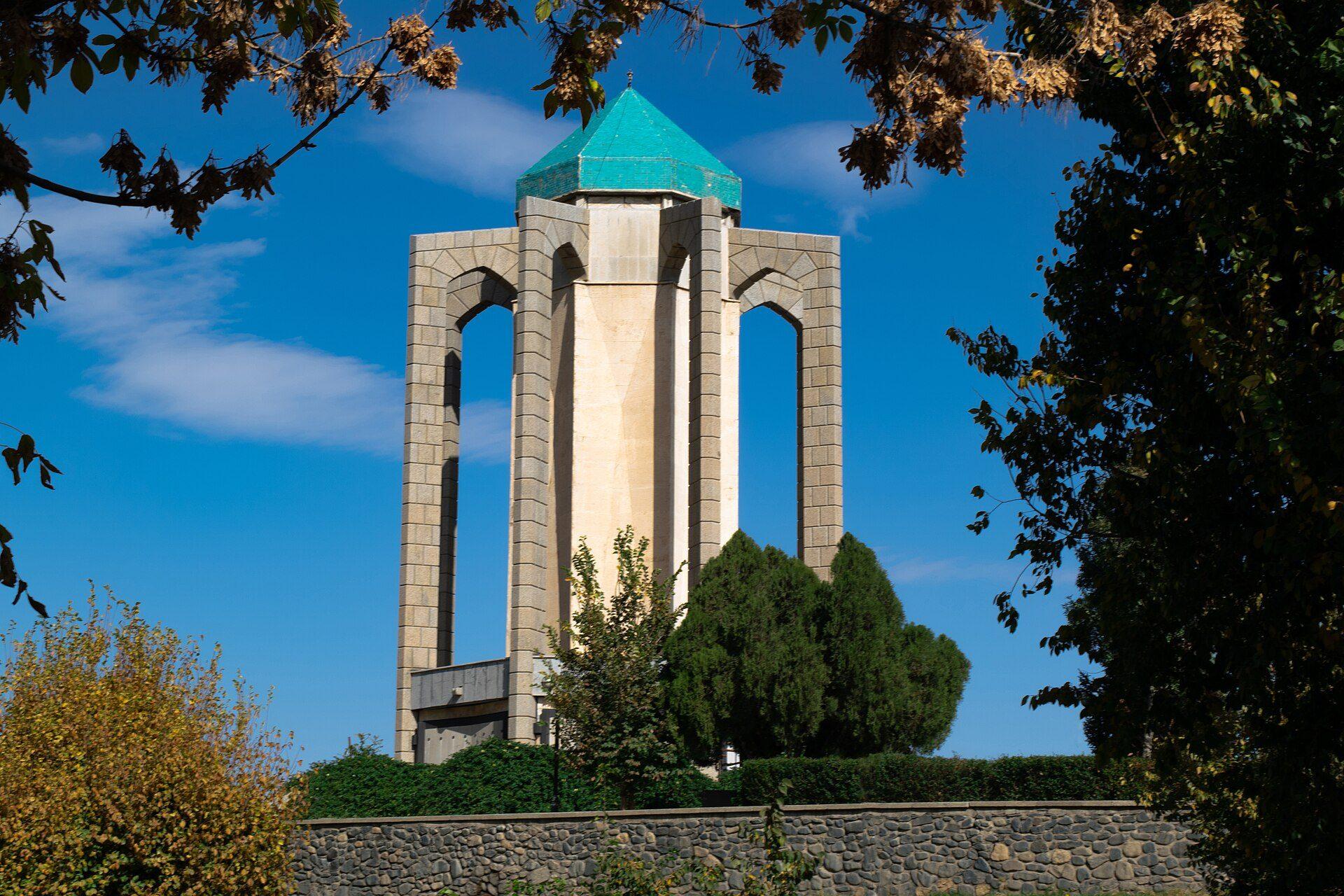
The hilltop tomb of the beloved 11th-century poet of quatrains, set in a garden with a tiled turquoise dome.
 0.6 km awayMarket
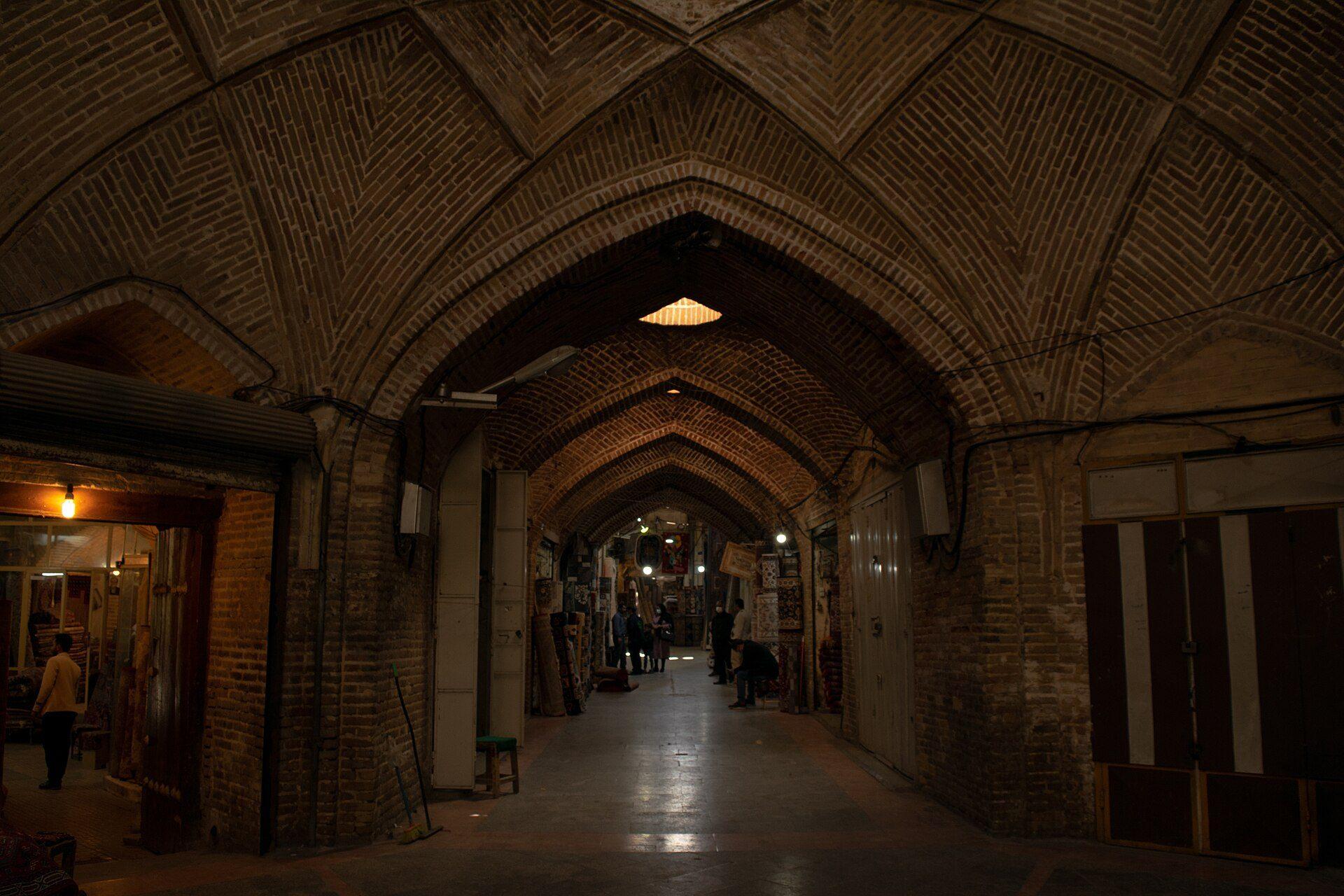
A sprawling Qajar-era covered bazaar of brick vaults, carpet halls and specialist lanes off Imam Khomeini Square.
 FeaturedCultural
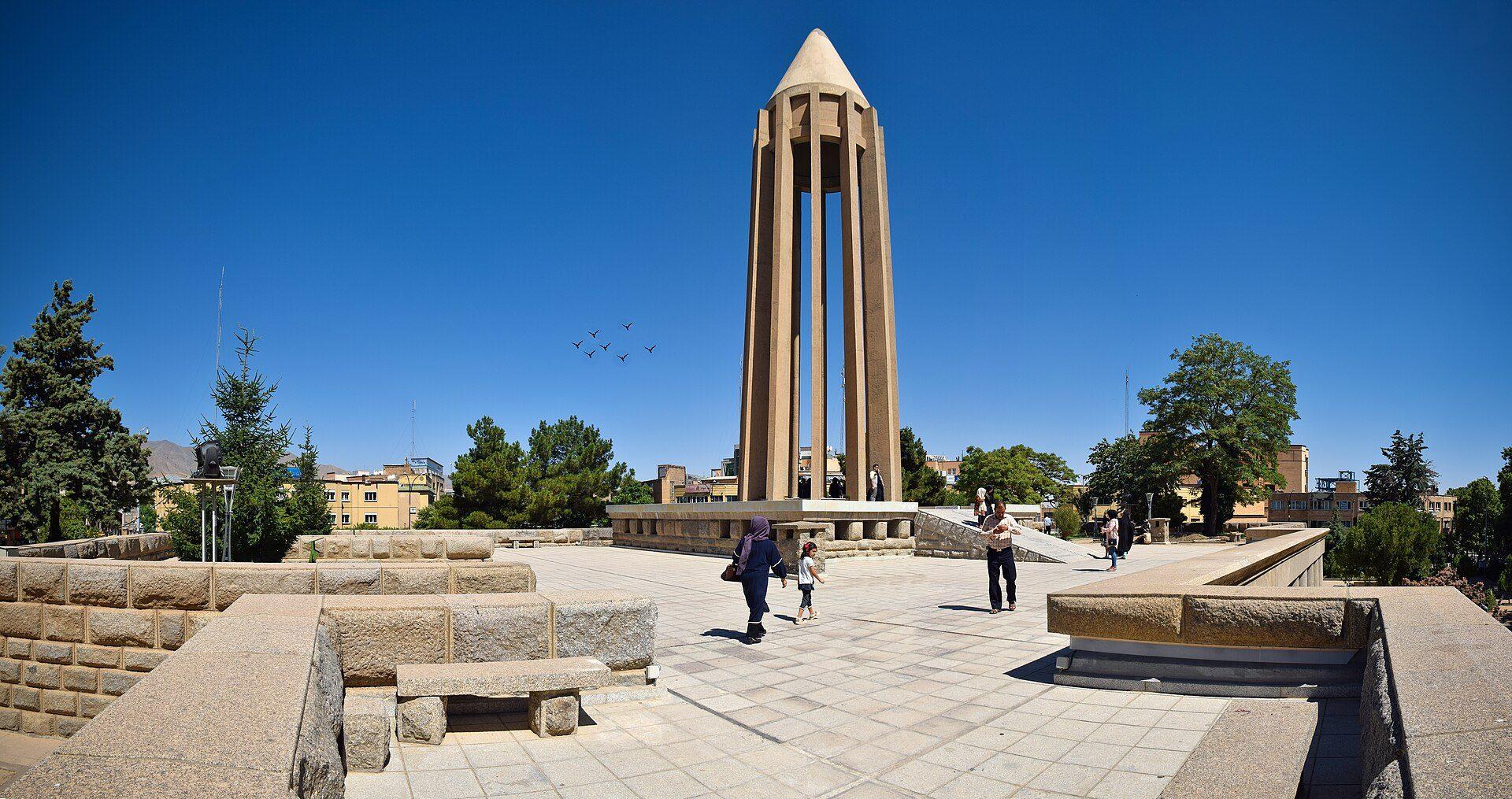
A striking modernist tower over the grave of the great physician and philosopher Ibn Sina, with a museum and library.
 History
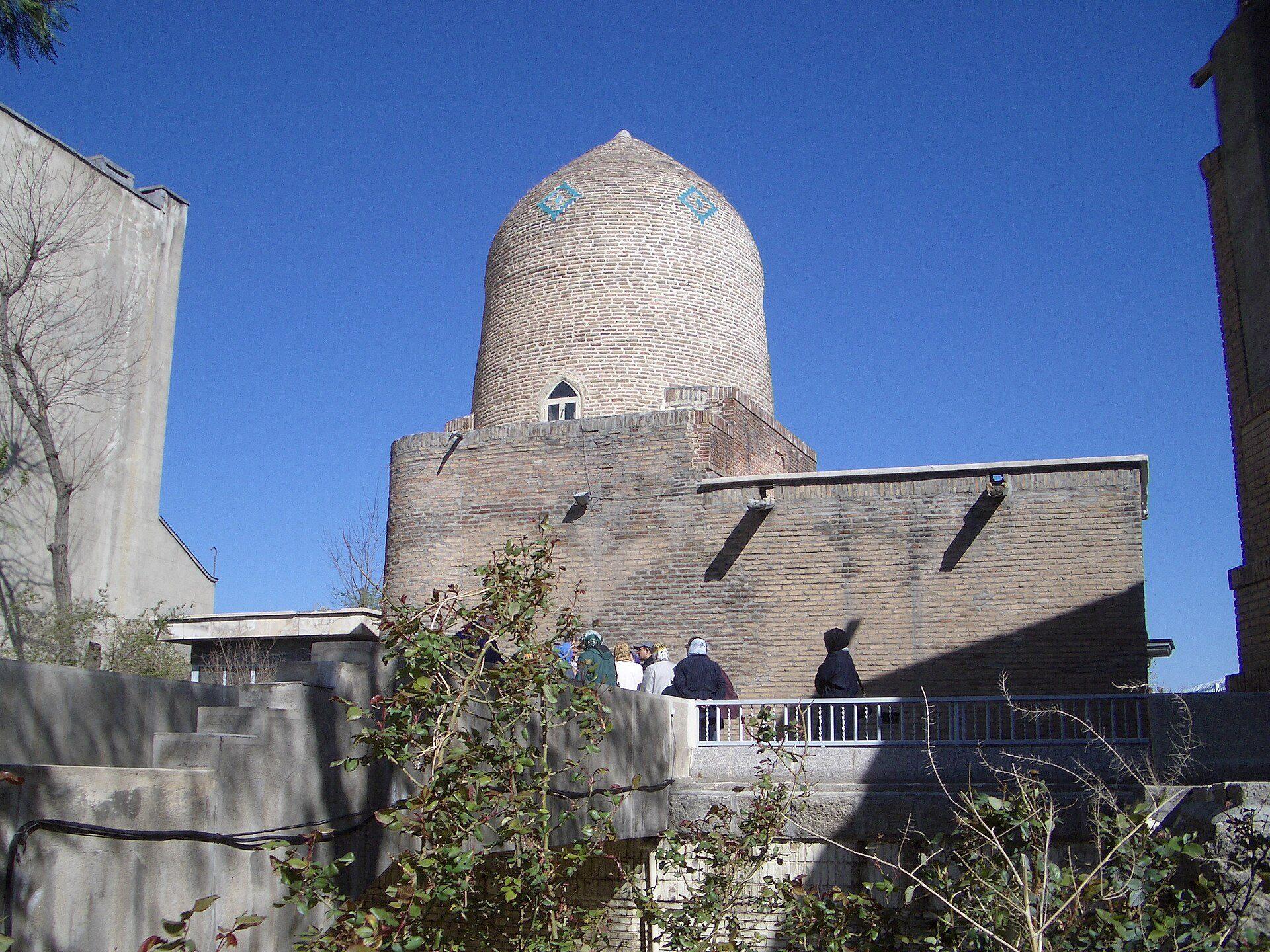
The traditional resting place of the biblical Queen Esther and Mordechai — Iran's most important Jewish pilgrimage site.
 FeaturedHistory
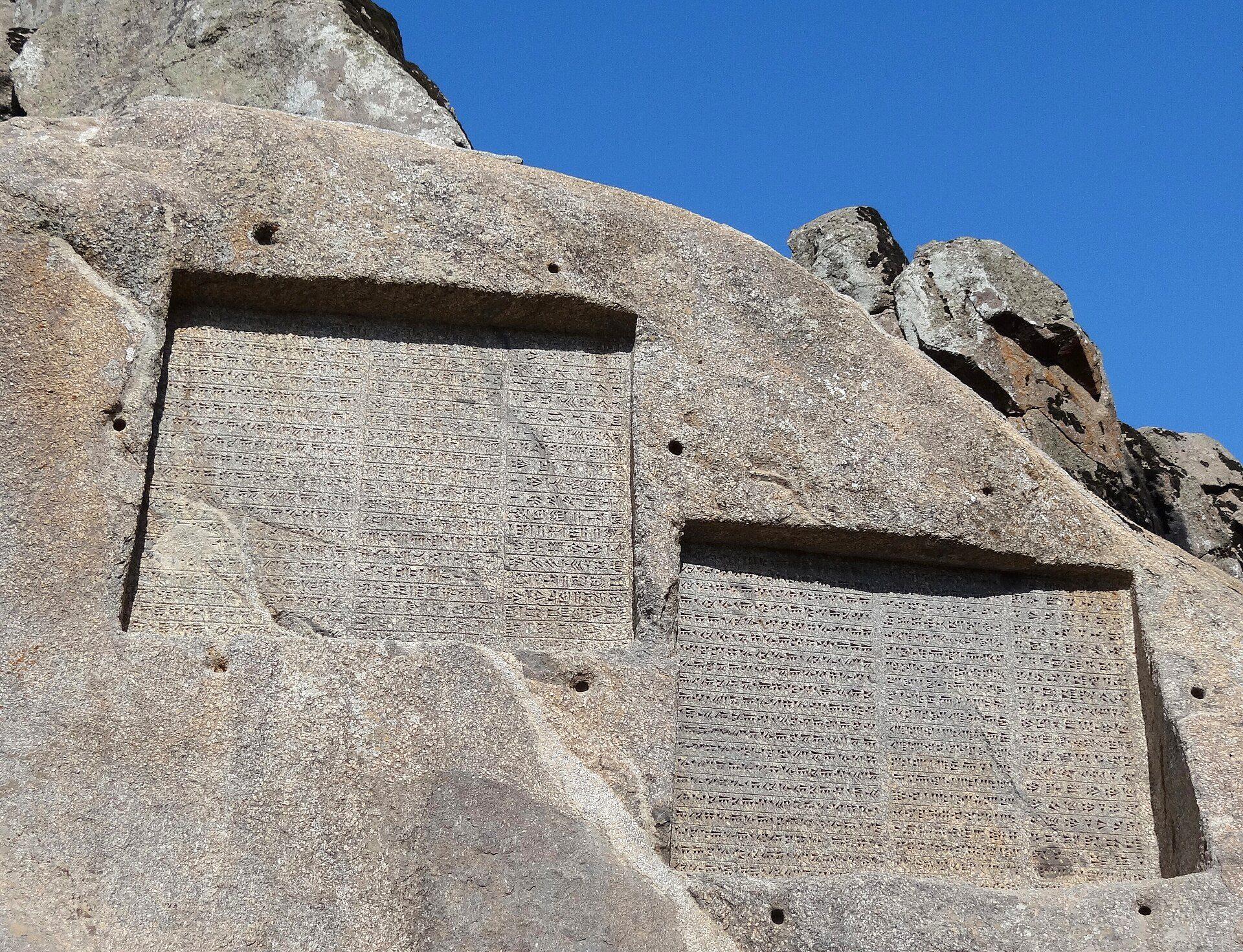
Royal Achaemenid inscriptions of Darius and Xerxes, carved into granite beside a mountain waterfall.