 Culture
By Sara Ahmadi3 min read
An evening with Baba Taher
Hamedan's favourite poet is best met at dusk, when the garden around his tomb fills with families and, sometimes, with music.
Read storyCultural
The hilltop tomb of the beloved 11th-century poet of quatrains, set in a garden with a tiled turquoise dome.
Baba Taher, often called Baba Taher-e Oryan ("the naked"), was a mystic poet who lived in Hamedan in the 11th century. He is loved across Iran for his do-beytis — short, two-couplet quatrains in a local dialect, full of longing, faith and plain-spoken grief. Many Iranians know a few of his lines by heart, and they are still sung in folk and classical music.
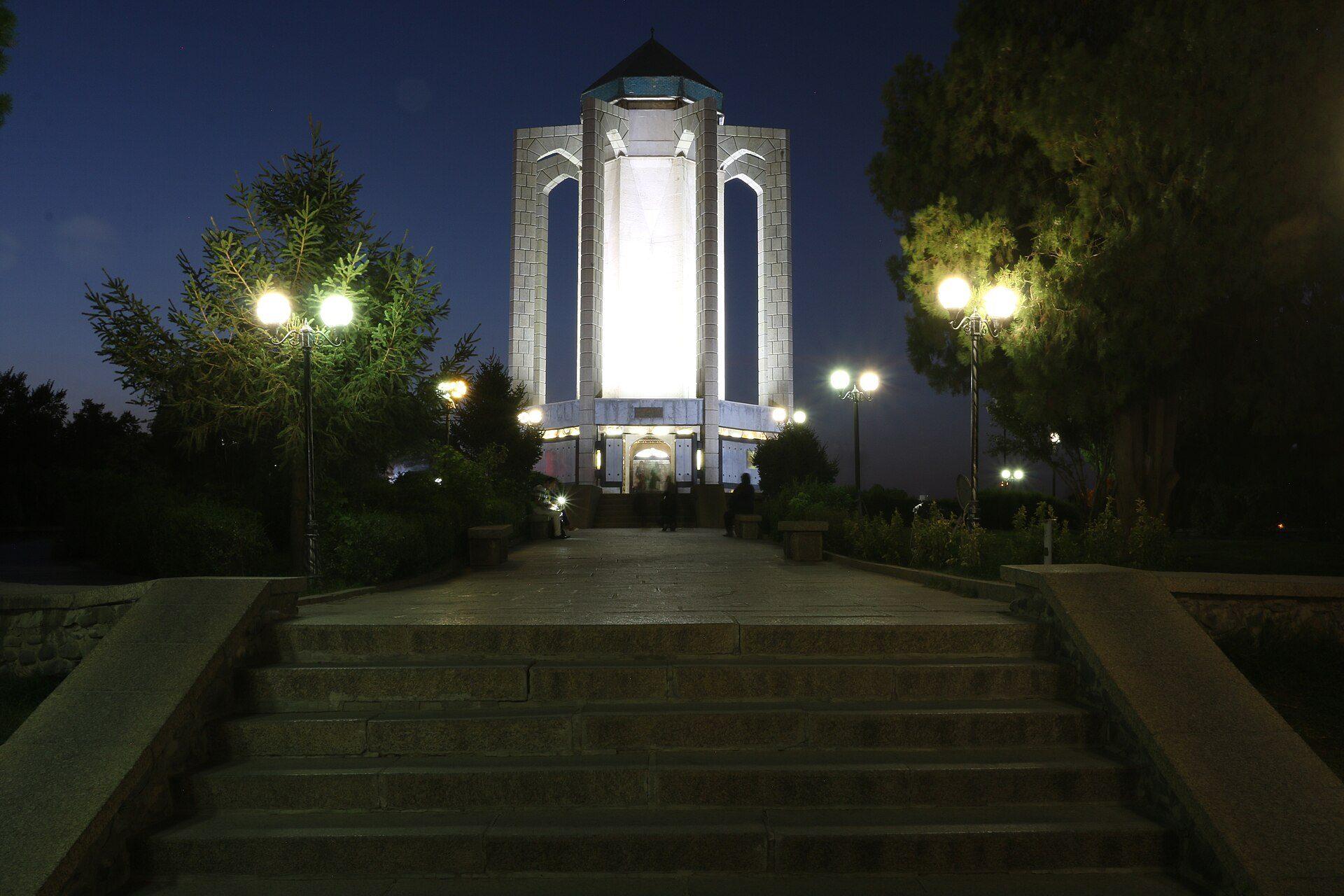
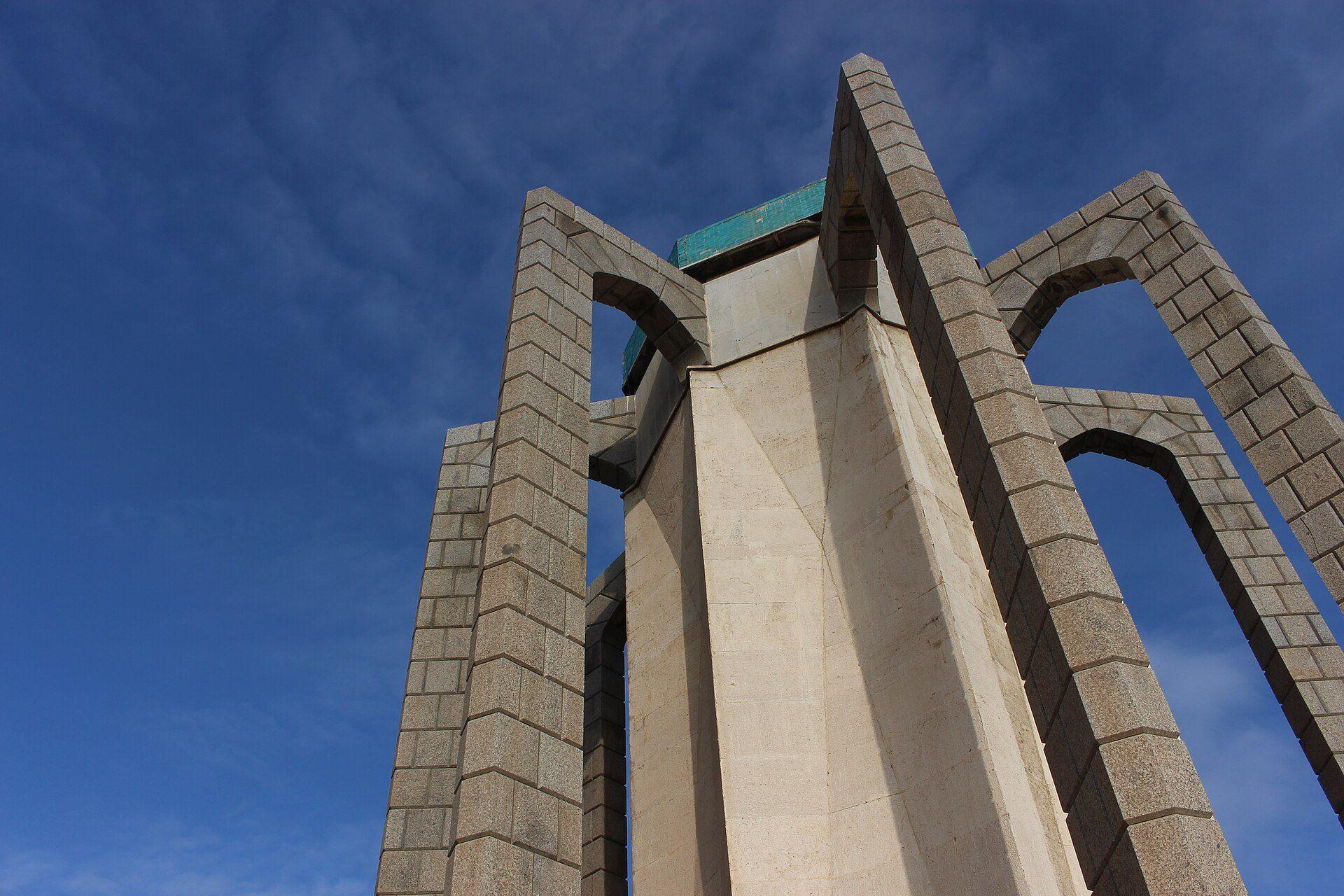
His mausoleum stands on a small hill in a landscaped park in the north of the city. The present monument was designed by the architect Mohsen Foroughi and completed in 1970, replacing earlier tombs on the same spot. Its octagonal tower of pale stone, framed by tall pointed arches, is crowned with a turquoise tiled dome visible from far down the boulevard.
Baba Taher wrote in the old dialect of the Hamedan region rather than formal literary Persian — part of why his quatrains still sound so direct and personal today.
Inside, the ceiling is a dazzling star of mosaic tilework in blue, gold and turquoise, and the walls are lined with marble panels carved with his quatrains. In the evenings musicians sometimes gather around the tomb to play and sing his verses.
The garden's stepped terraces, fountains and lawns make it a popular evening walk for local families. The tower is lit at night, and the view up the steps from Baba Taher Square is one of the classic images of Hamedan.
CultureBy Sara Ahmadi3 min read
Hamedan's favourite poet is best met at dusk, when the garden around his tomb fills with families and, sometimes, with music.
Read story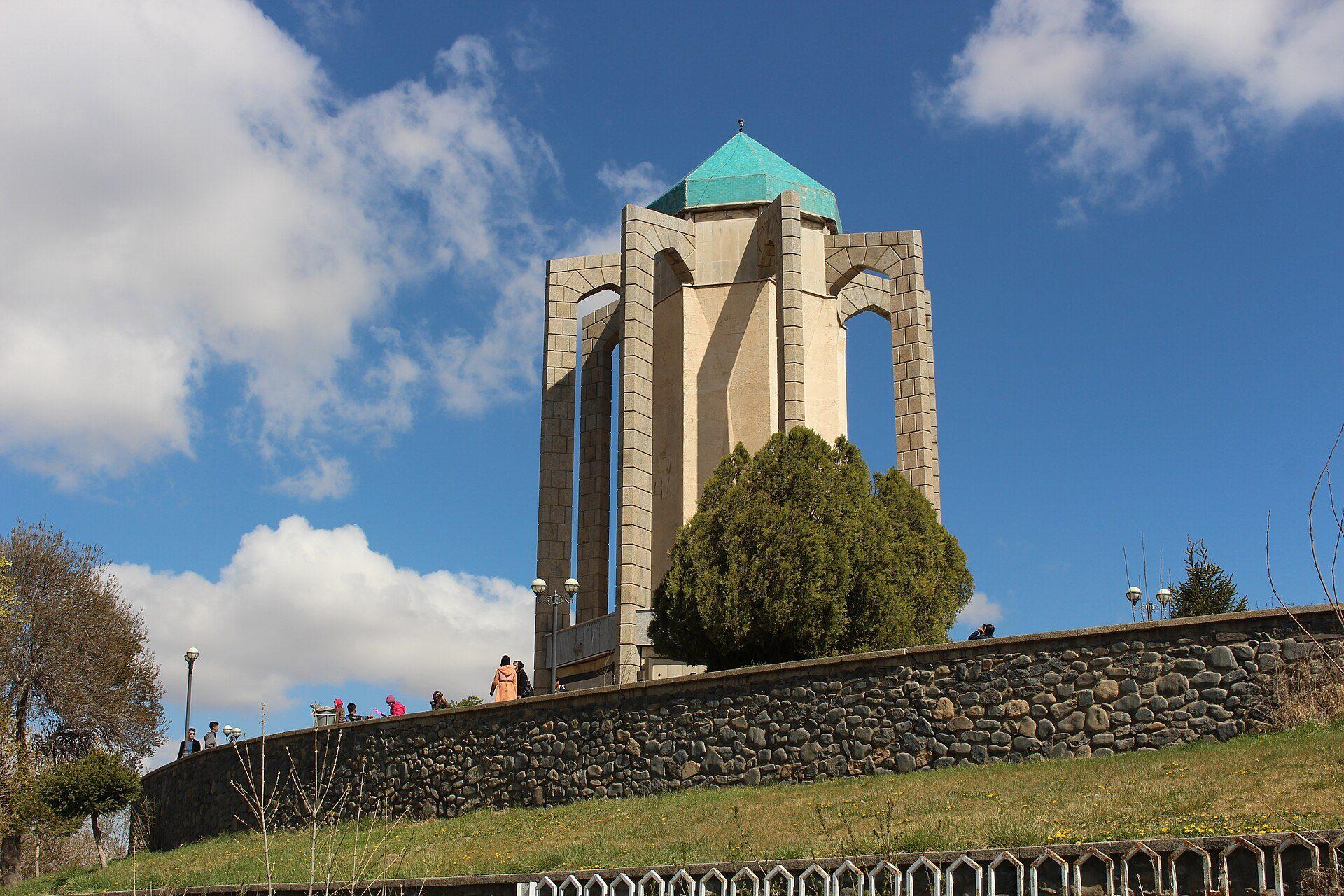
Travel notes
Evenings at Baba Taher's tomb are when the garden comes alive — families on the lawns, the tower lit, and sometimes musicians singing his quatrains. Pair it with the Alavian Dome nearby. #BabaTaher
Hamadan: Ganjnameh, Hagmatana Hill and the Tomb of Baba Taher
Video by farhad4art on YouTube.
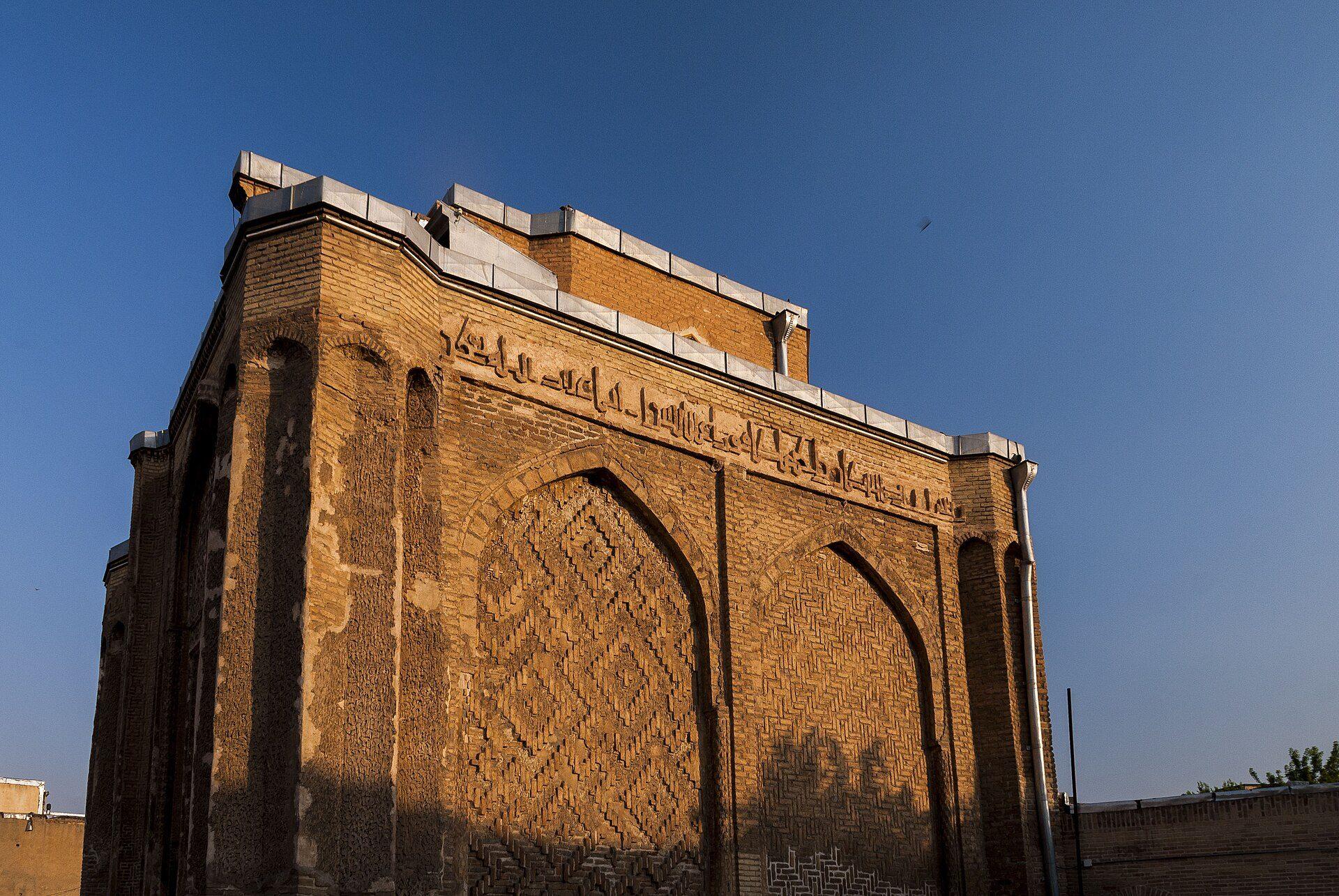 0.6 km awayHistory
A Seljuk-era family mausoleum famous for some of the finest carved stucco in Iran.
 0.7 km awayHistory
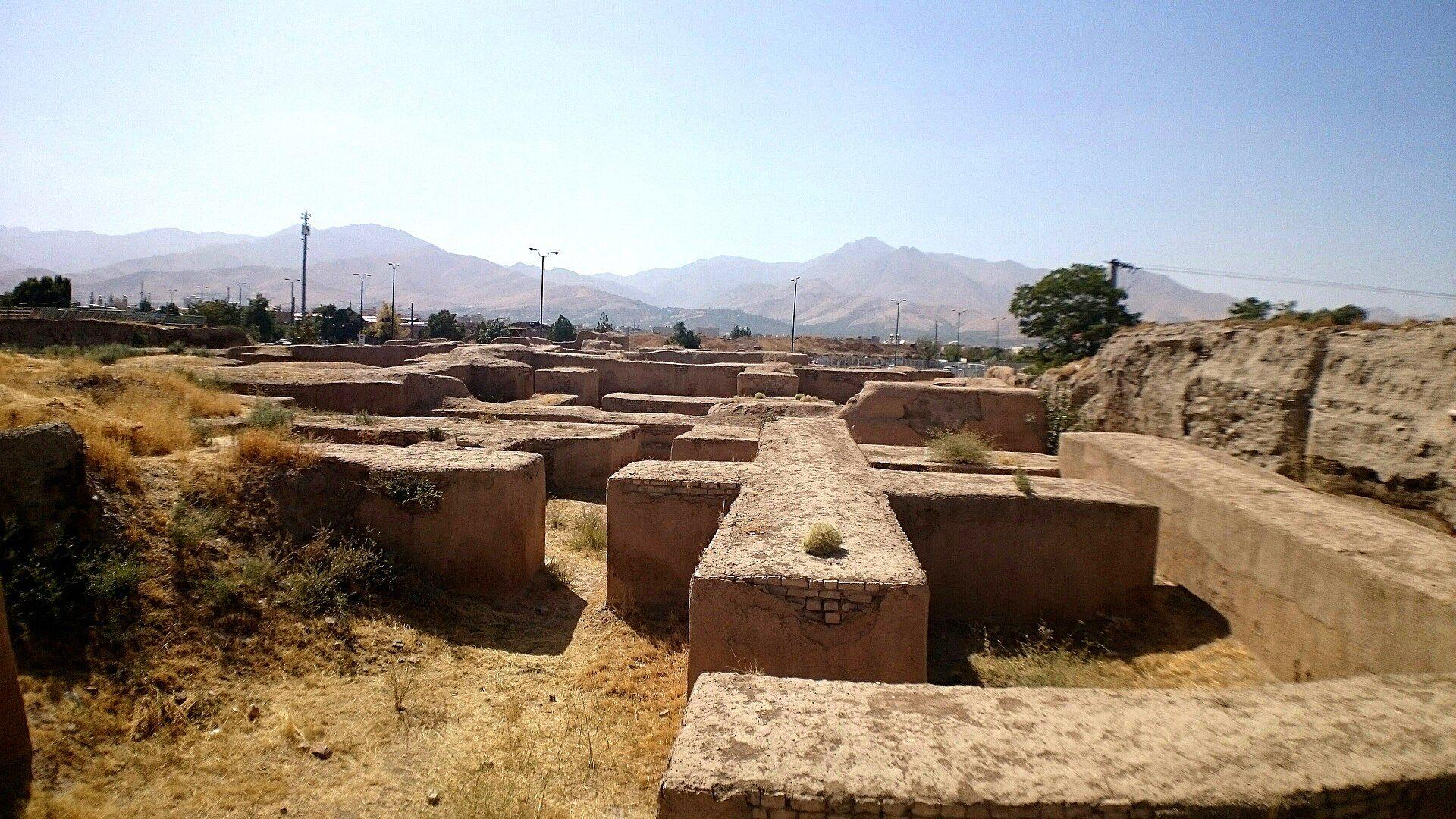
The excavated hill of ancient Ecbatana, capital of the Medes, with an on-site museum of its finds.
 1.2 km awayMarket
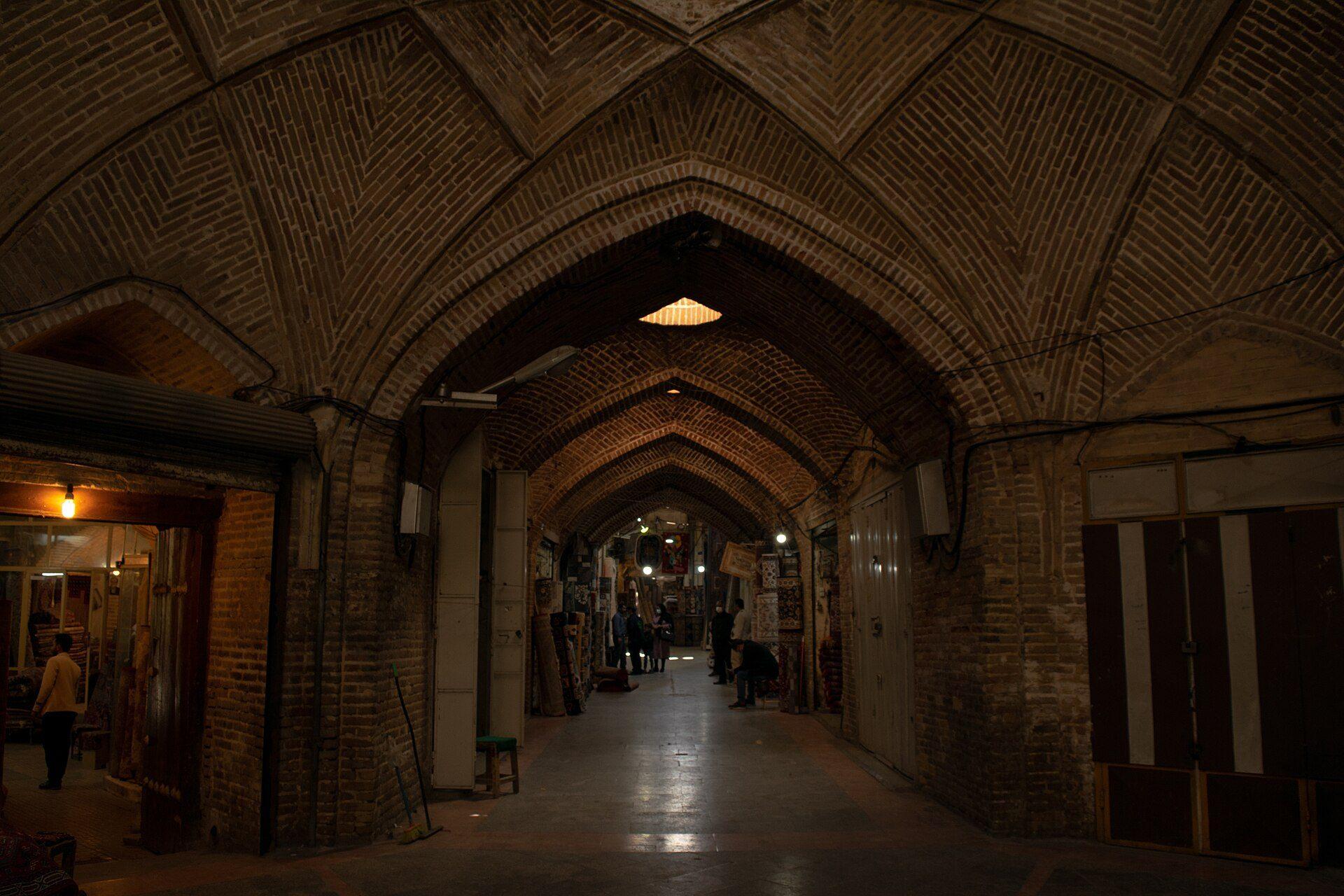
A sprawling Qajar-era covered bazaar of brick vaults, carpet halls and specialist lanes off Imam Khomeini Square.
 FeaturedCultural
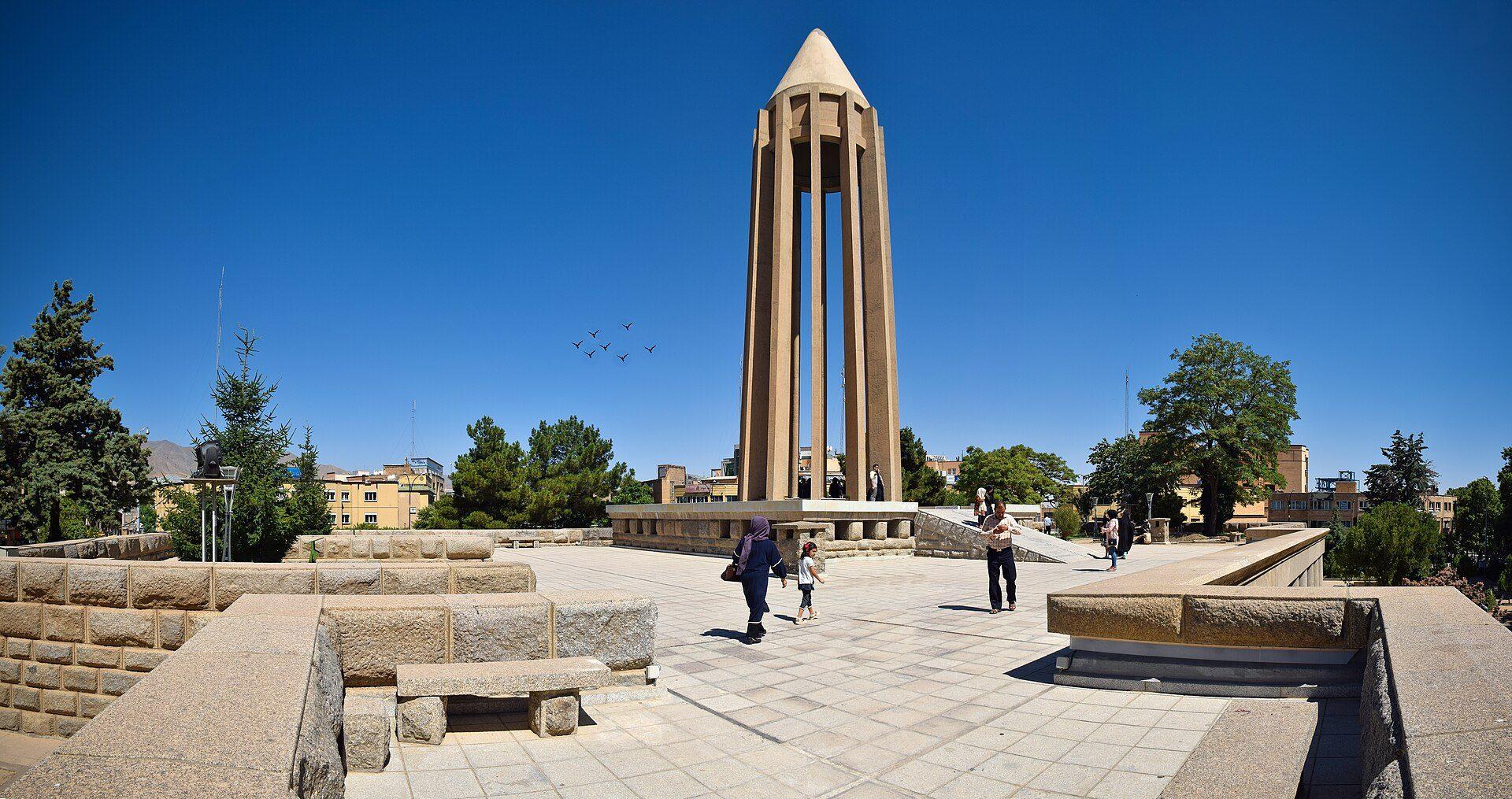
A striking modernist tower over the grave of the great physician and philosopher Ibn Sina, with a museum and library.
 History
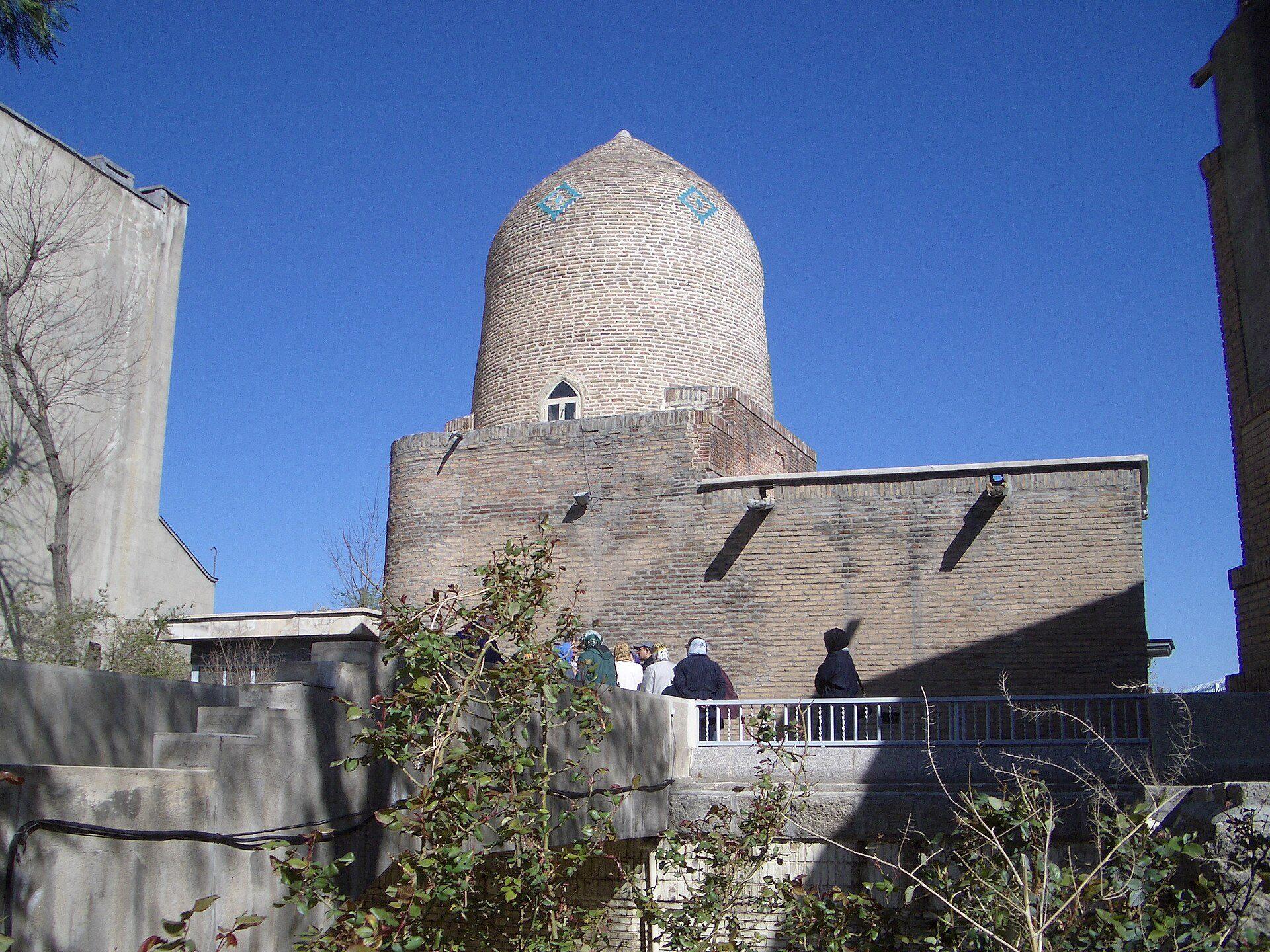
The traditional resting place of the biblical Queen Esther and Mordechai — Iran's most important Jewish pilgrimage site.
 Handicrafts
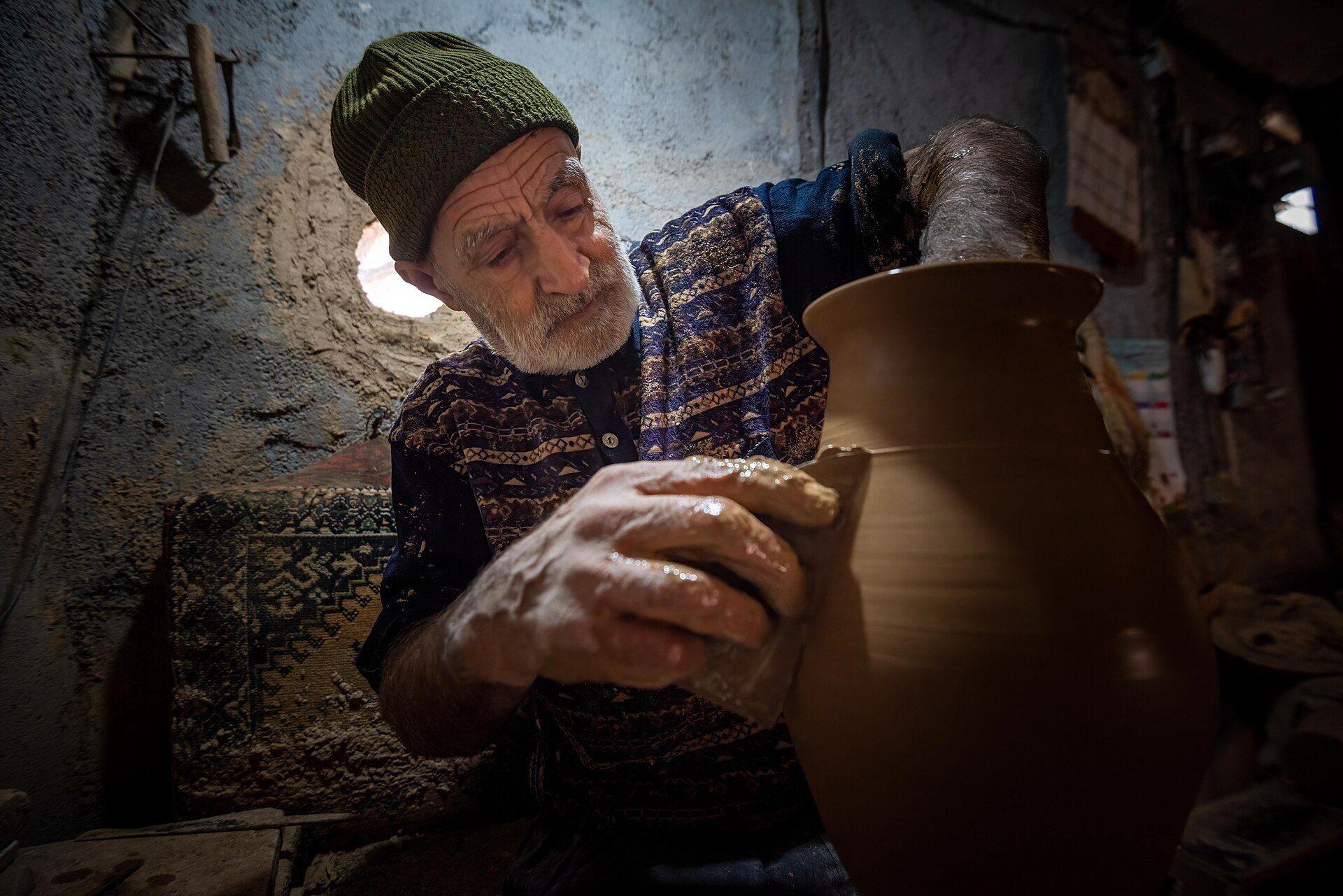
Iran's pottery capital — hundreds of workshops where you can watch, try the wheel and buy straight from the kiln.