 Culture
By Sara Ahmadi3 min read
Reading the ruins of Ecbatana
Hegmataneh hill can look like a field of mud walls. Here's how to see the ancient capital of the Medes in it.
Read storyHistory
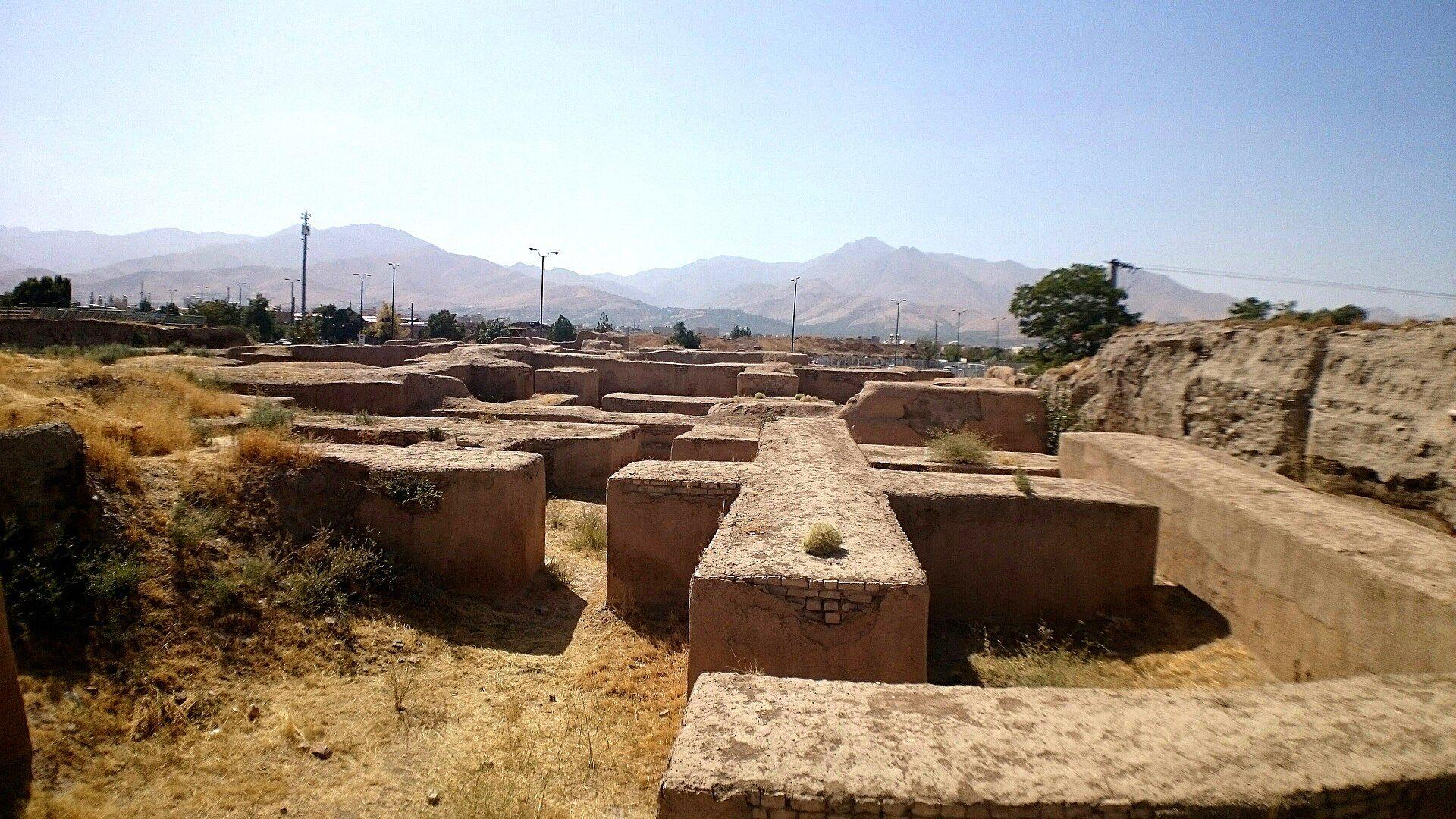
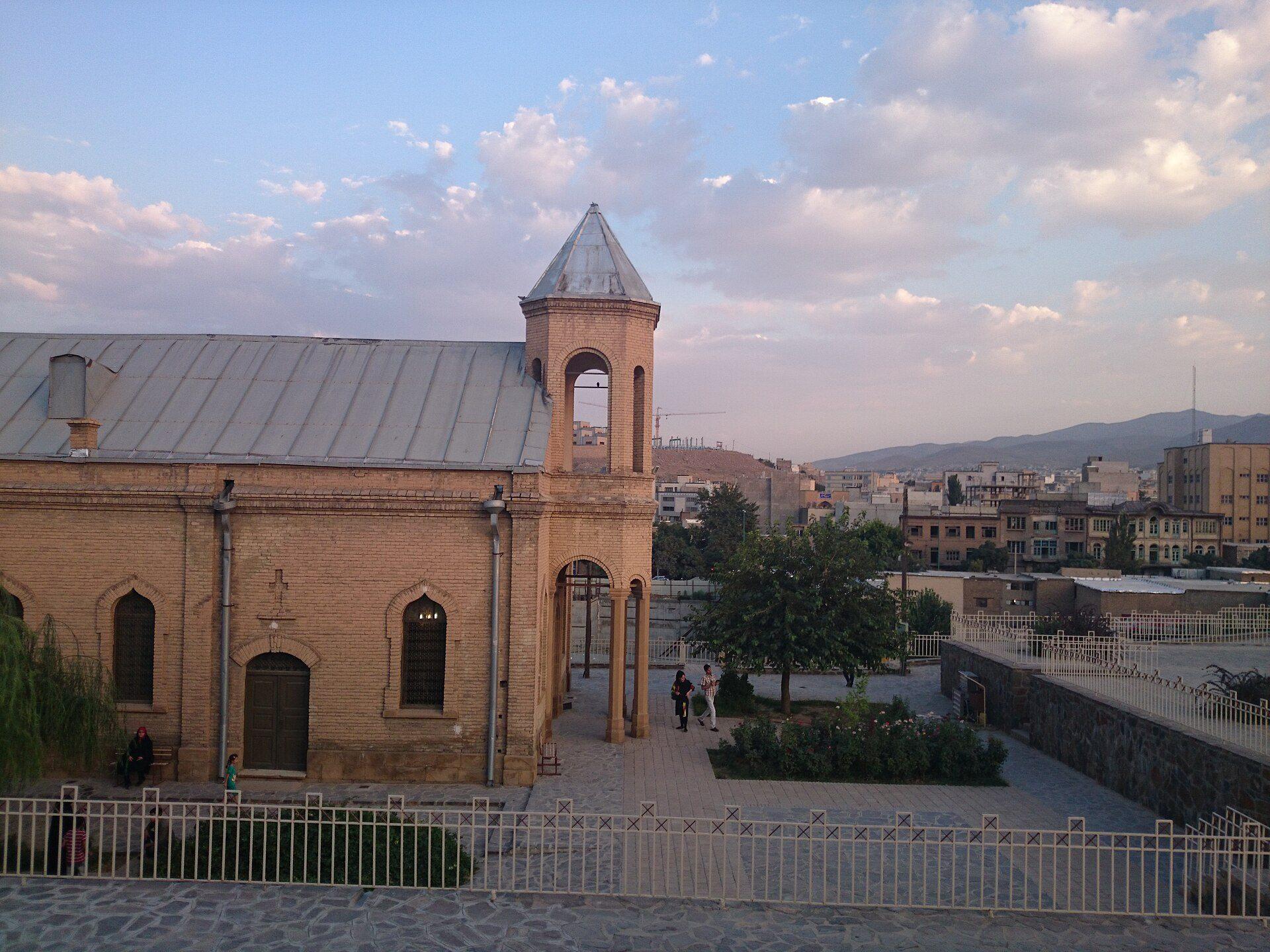
The excavated hill of ancient Ecbatana, capital of the Medes, with an on-site museum of its finds.
Hamedan is one of the oldest continuously inhabited cities in the world, and Hegmataneh hill is where it began. Greek writers knew the city as Ecbatana, capital of the Medes. Herodotus credits its founding to the Median king Deioces and describes a palace ringed by seven concentric walls, each painted a different colour, the innermost two plated in silver and gold.
After Cyrus the Great took the city in the 6th century BC, Ecbatana became a summer capital of the Achaemenid kings, a royal treasury, and later an important city of the Parthians. Its fame lasted long after the ancient city disappeared beneath the modern one.
Herodotus wrote that Ecbatana's seven walls rose one above another, their battlements painted white, black, purple, blue and orange — and the two innermost plated in silver and gold.
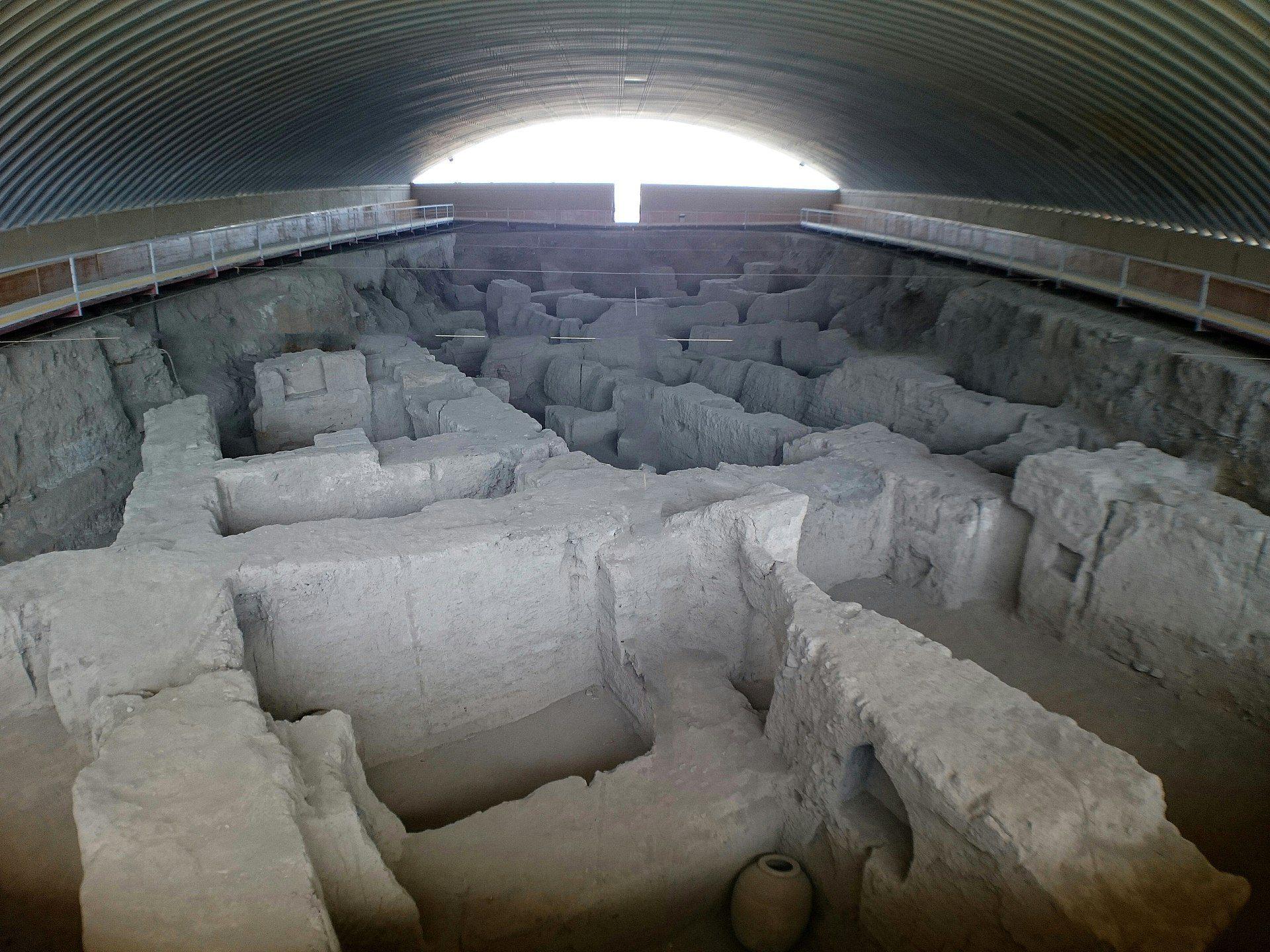
Systematic excavation of the hill began in the 1980s and uncovered a large city laid out on a grid, with streets, drainage channels and blocks of mud-brick buildings. Much of what is visible today dates to the later, Parthian phases of the city; parts of the trenches are protected under large modern roofs. Walkways let visitors look down into the excavated quarters.
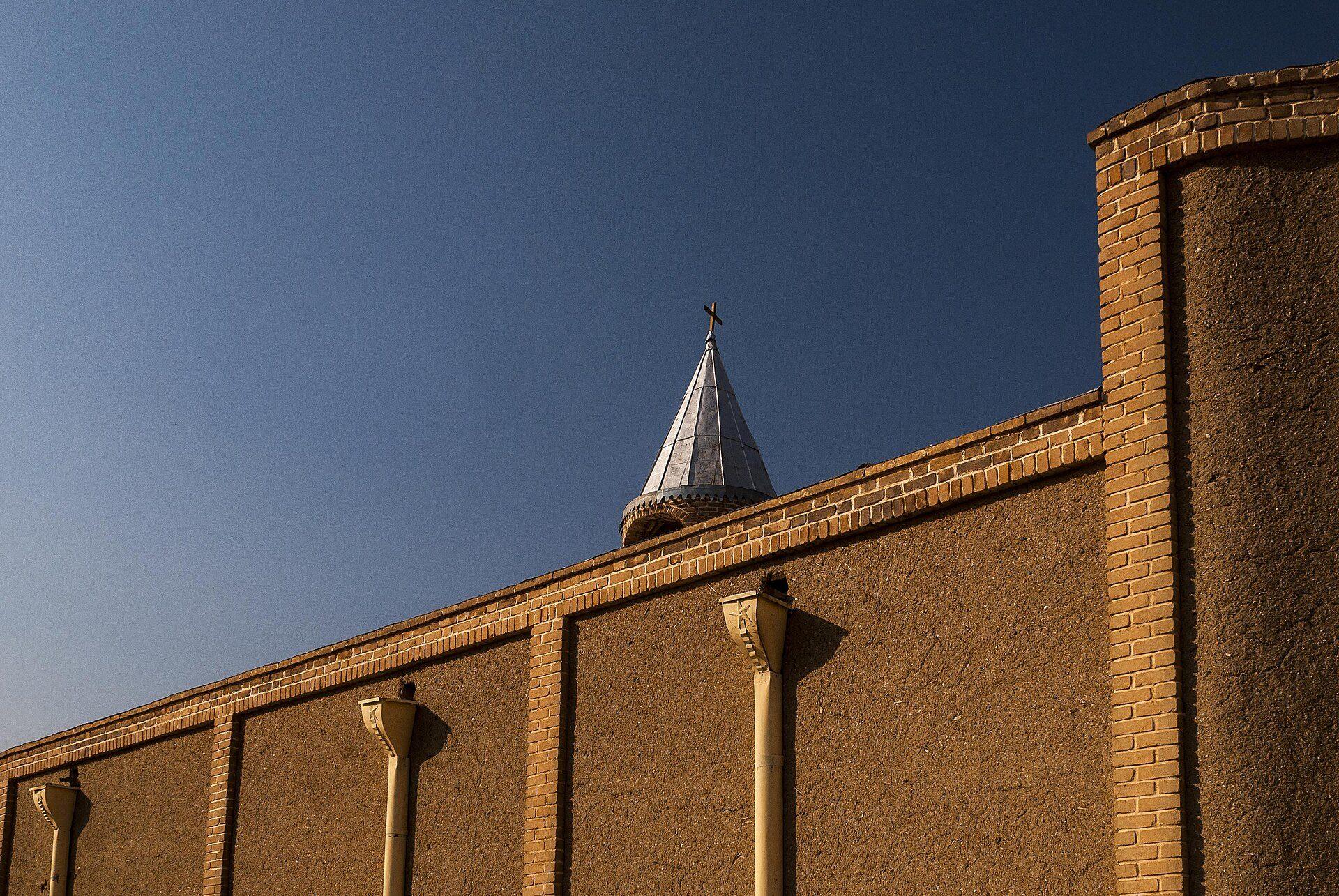
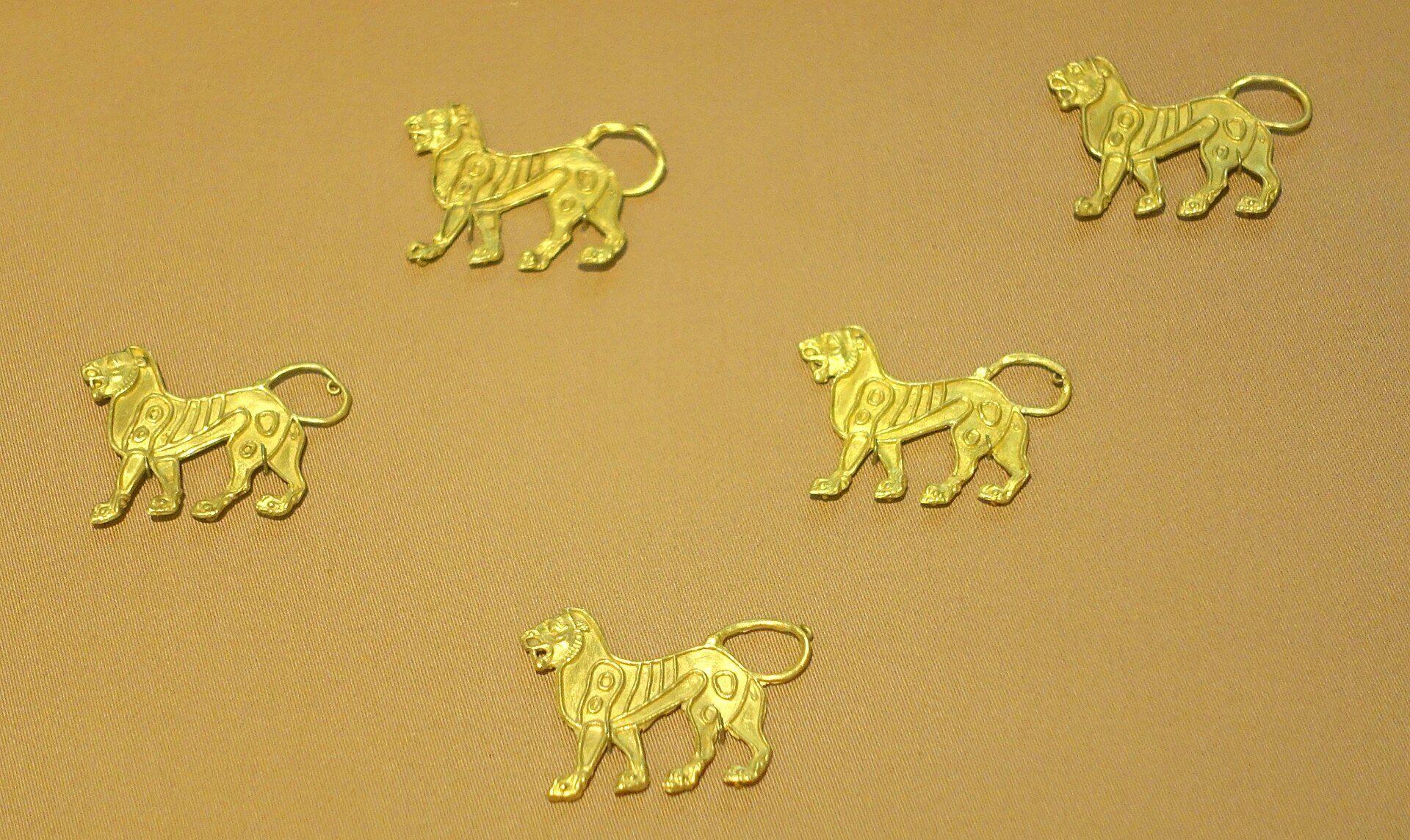
The site museum displays finds from the hill and the wider region — pottery, column bases, coins, gold ornaments and other objects — and helps make sense of the ruins. On the edge of the hill stands a small brick Armenian church. From the top there are wide views across the city to the snowy ridge of Mount Alvand.
CultureBy Sara Ahmadi3 min read
Hegmataneh hill can look like a field of mud walls. Here's how to see the ancient capital of the Medes in it.
Read story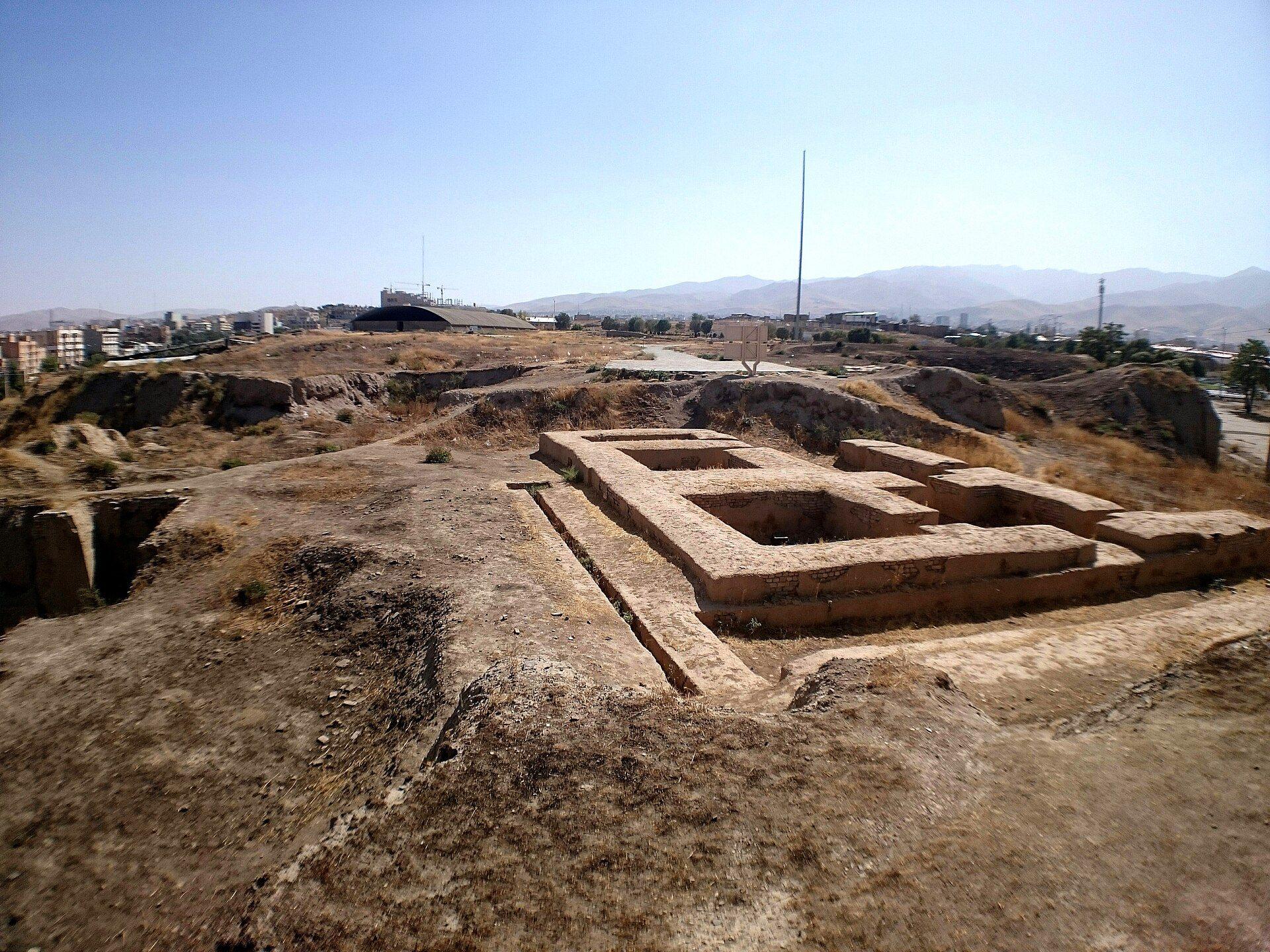
Travel notes
Hegmataneh tip: start in the site museum before walking the excavated quarters — the finds and maps make the mud-brick streets far easier to read. Morning light is best for photos. #Ecbatana
Culture
Ecbatana Museum extends evening hours through the end of the month for the new exhibit. #Museum #Ecbatana
Hegmataneh, Ecbatana — the ancient city of Iran
Video by Travel With Sahar on YouTube.
The oldest city of Iran: Hamedan
Video by Walking Vlog on YouTube.
I found the forgotten biblical city of Ecbatana
Video by Austin Davis Vlogs on YouTube.
October 14, 2026 – October 22, 2026
A group exhibition of painters, sculptors and new-media artists working across Hamedan province, curated around the theme of "place and memory". > Photography is welcome in every room except the new-media installations.
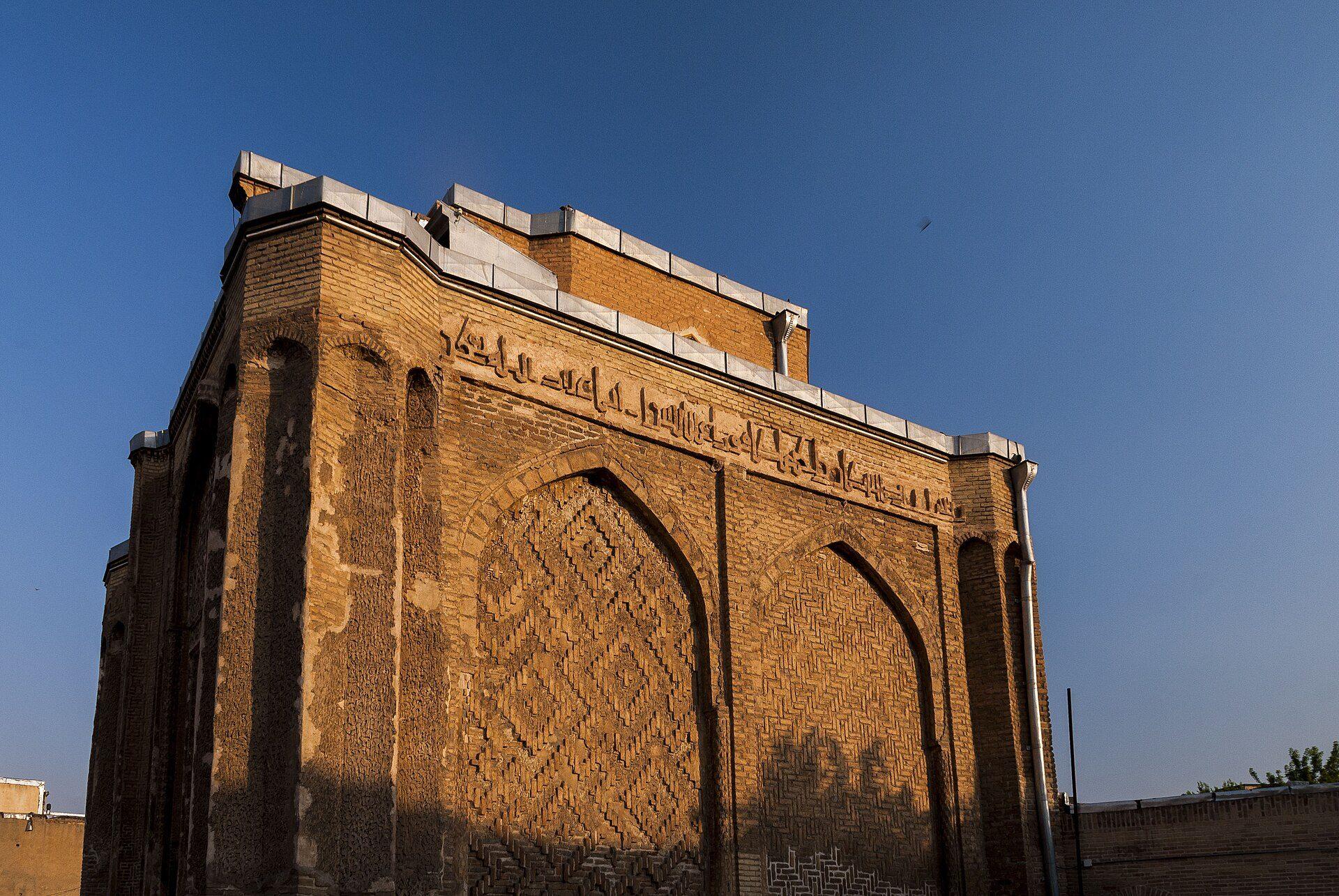 0.6 km awayHistory
A Seljuk-era family mausoleum famous for some of the finest carved stucco in Iran.
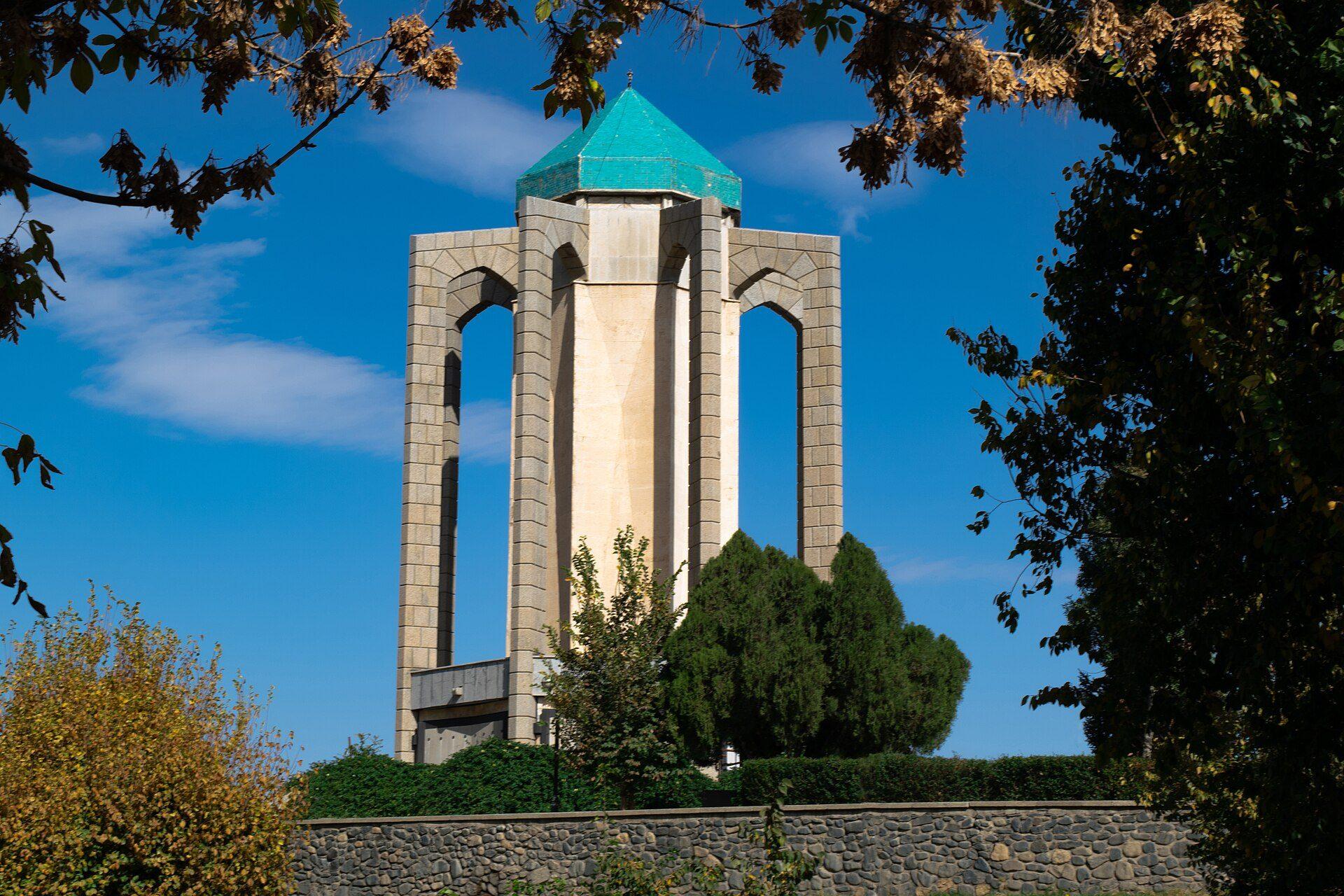 0.7 km awayCultural
The hilltop tomb of the beloved 11th-century poet of quatrains, set in a garden with a tiled turquoise dome.
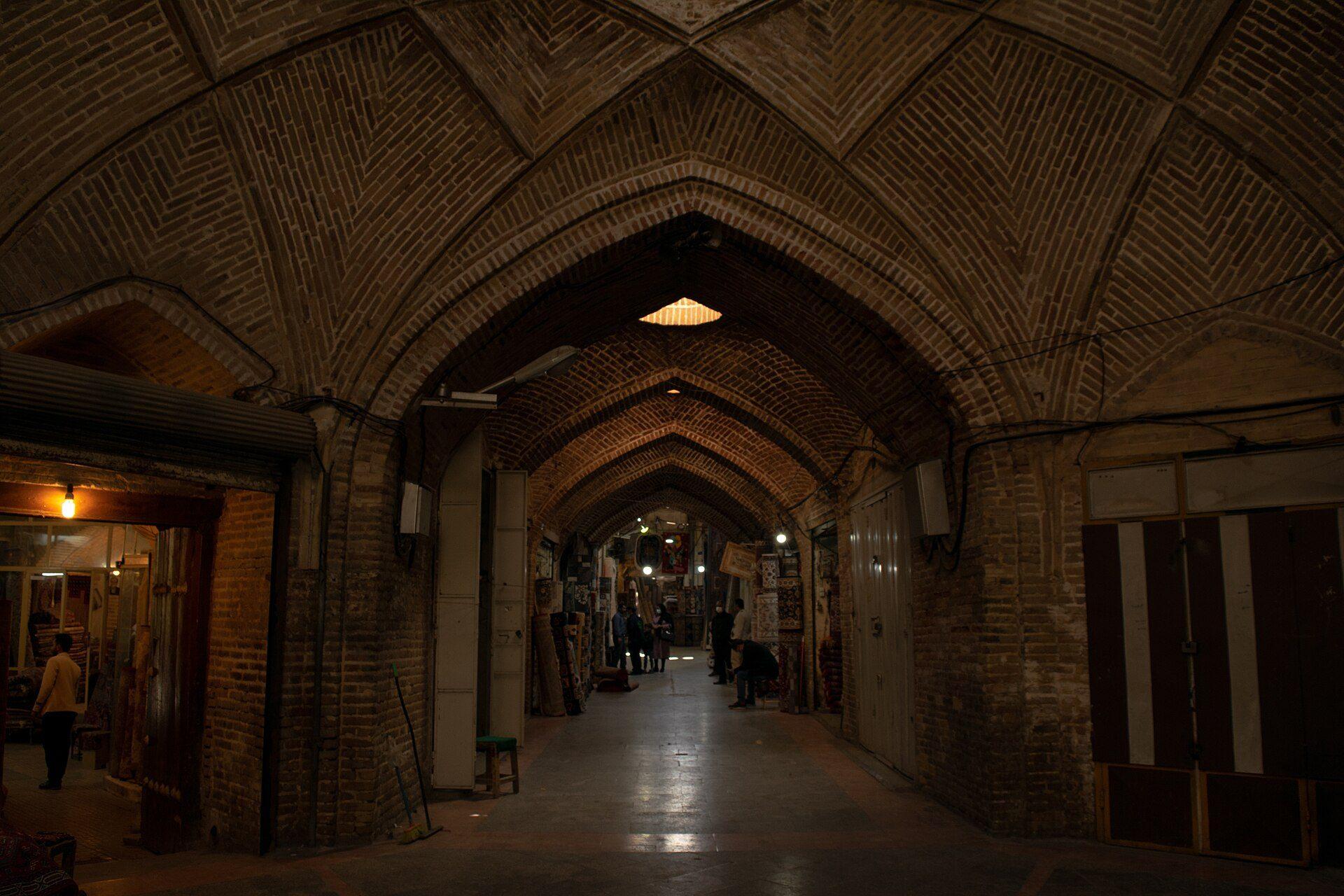 0.7 km awayMarket
A sprawling Qajar-era covered bazaar of brick vaults, carpet halls and specialist lanes off Imam Khomeini Square.
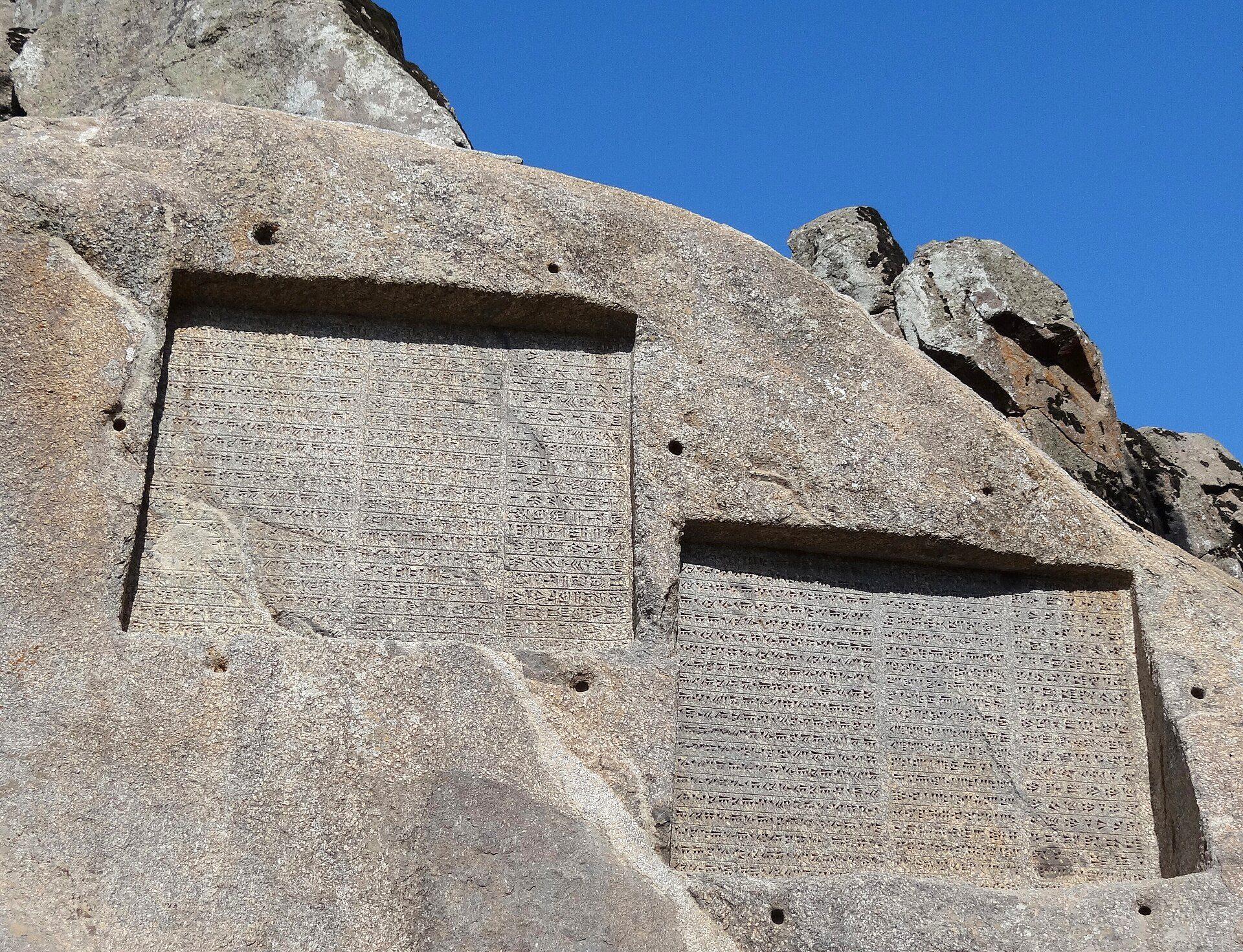 FeaturedHistory
Royal Achaemenid inscriptions of Darius and Xerxes, carved into granite beside a mountain waterfall.
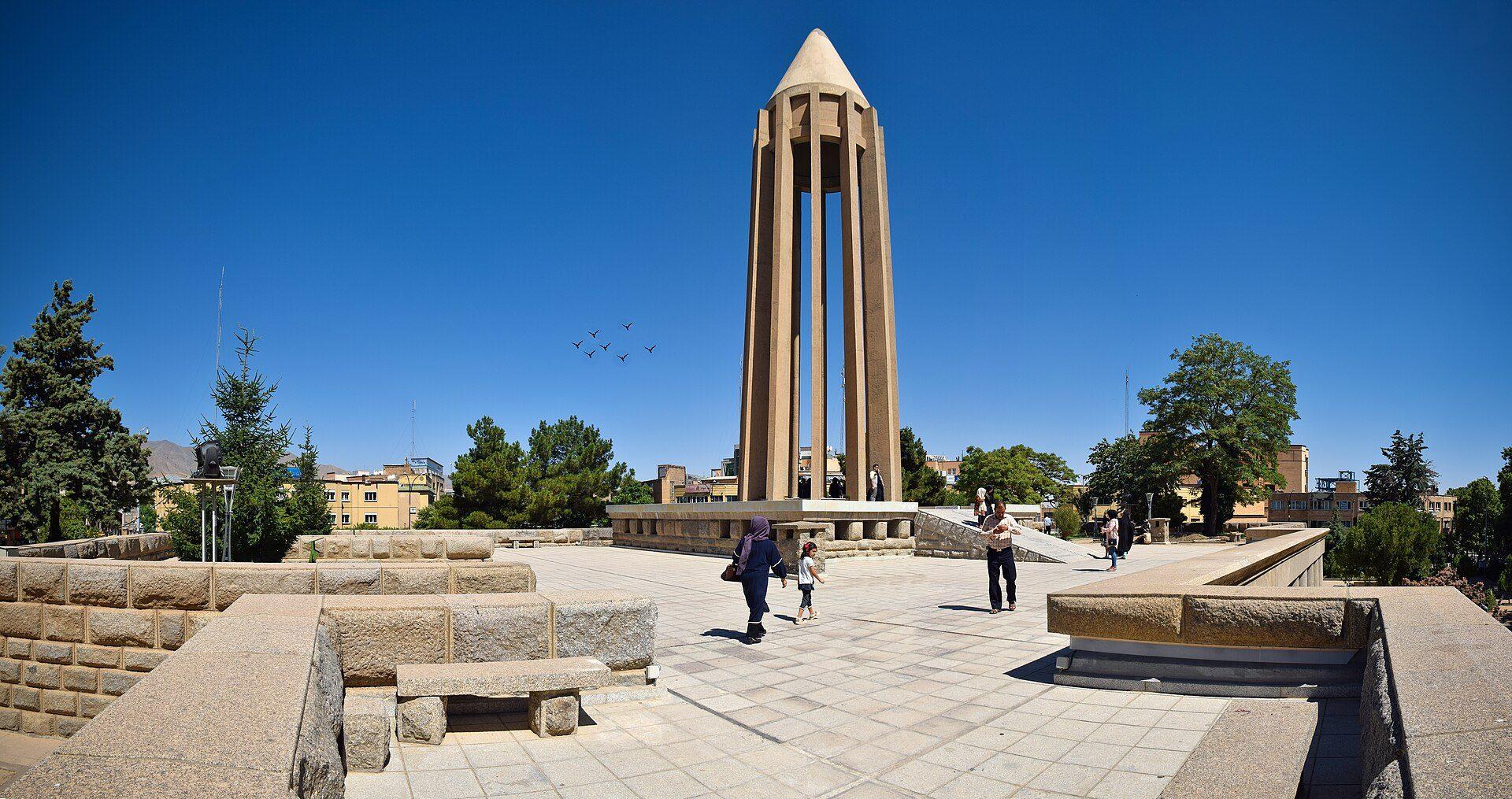 FeaturedCultural
A striking modernist tower over the grave of the great physician and philosopher Ibn Sina, with a museum and library.
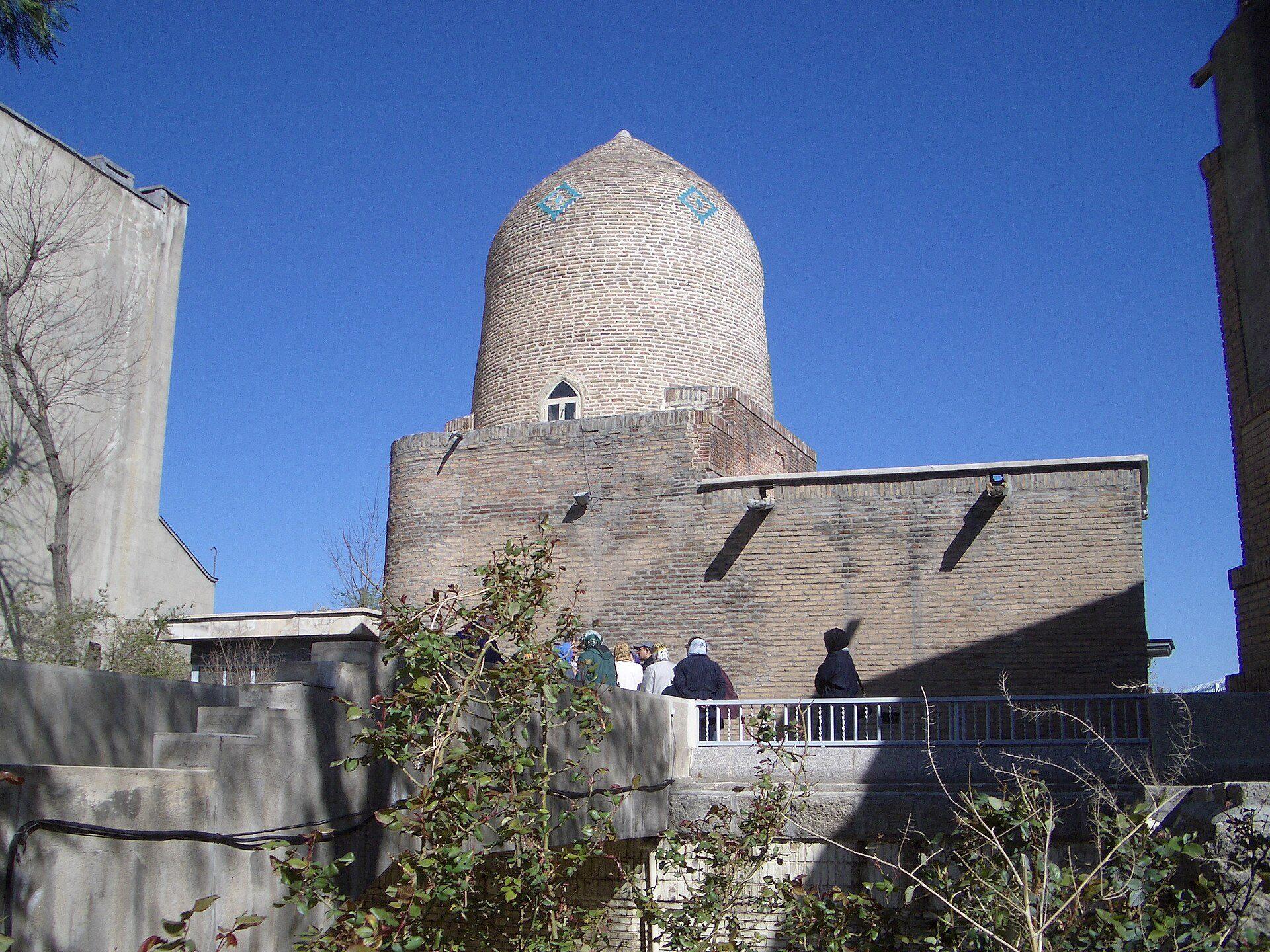 History
The traditional resting place of the biblical Queen Esther and Mordechai — Iran's most important Jewish pilgrimage site.
